Guide to the Boxer Dog Breed
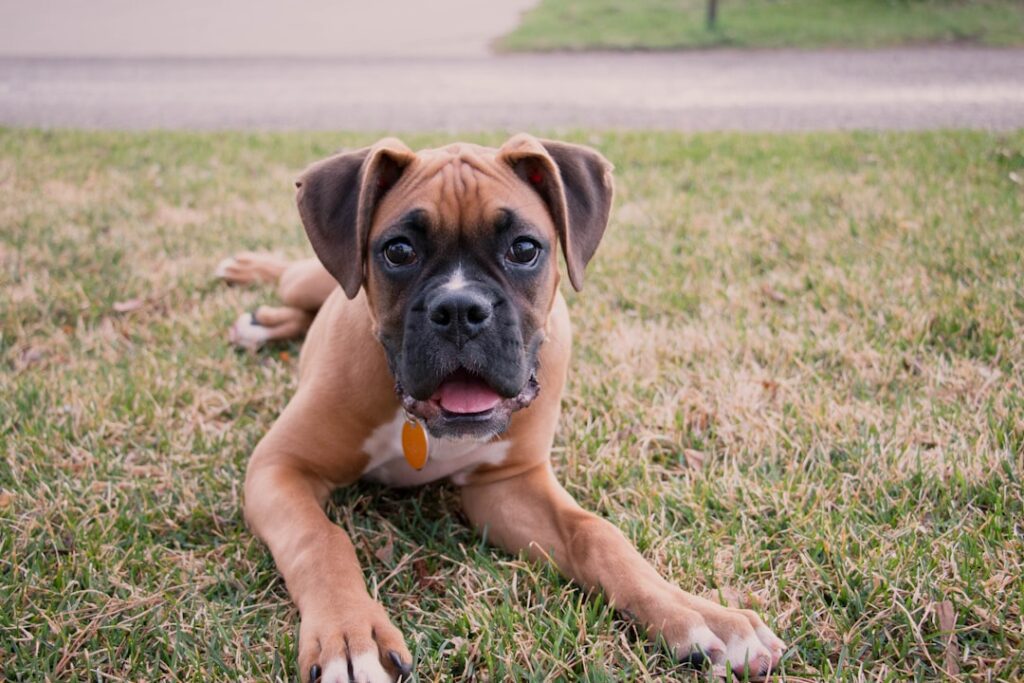
The Boxer dog breed has a rich history that dates back to the 19th century. They were originally developed in Germany as hunting dogs and were later used as working dogs, particularly in the military. The breed’s ancestors can be traced back to the Bullenbeisser, a now-extinct breed that was used for hunting large game such as boar and deer. The modern Boxer breed as we know it today was developed by crossing the Bullenbeisser with English Bulldogs. This crossbreeding resulted in a dog that had the strength and agility of the Bullenbeisser, combined with the tenacity and loyalty of the Bulldog. The breed was officially recognized by the American Kennel Club (AKC) in 1904. Physical Characteristics of the Boxer Dog Breed: Size, Coat, and Color Boxers are medium-sized dogs with a strong and muscular build. Males typically stand between 22 to 25 inches tall at the shoulder, while females are slightly smaller, ranging from 21 to 24 inches. In terms of weight, males usually weigh between 65 to 80 pounds, while females weigh between 50 to 65 pounds. Boxers have a short and smooth coat that is easy to maintain. They come in various colors, including fawn, brindle, and white. Fawn-colored Boxers can range from light tan to deep mahogany, while brindle Boxers have a striped pattern on their coat. White Boxers are also common but are not considered desirable by breed standards. Personality Traits of the Boxer Dog Breed: Temperament and Behavior Boxers are known for their friendly and playful nature. They are highly energetic dogs that require regular exercise and mental stimulation to prevent boredom and destructive behavior. Despite their size and strength, Boxers are gentle and affectionate with their families, making them excellent family pets. Boxers are also known for their protective instincts and make excellent watchdogs. They are naturally wary of strangers and will bark to alert their owners of any potential threats. However, they are not aggressive dogs and are generally good with children and other pets when properly socialized. Boxer Dog Breed Health Issues: Common Health Problems and Care Like all dog breeds, Boxers are prone to certain health issues. Some of the most common health problems in Boxers include hip dysplasia, heart conditions, allergies, and certain types of cancer. It is important for Boxer owners to be aware of these potential health issues and to provide regular veterinary care to ensure their dog’s well-being. To care for a Boxer’s health, it is important to provide them with a balanced diet, regular exercise, and routine veterinary check-ups. Boxers should also be kept up to date on vaccinations and preventative medications for fleas, ticks, and heartworms. Regular grooming is also important to keep their coat clean and free from parasites. Boxer Dog Breed Training: Tips and Techniques for Effective Training Boxers are intelligent dogs that are eager to please their owners, making them relatively easy to train. However, they can also be stubborn at times, so consistent and positive reinforcement training methods work best with this breed. Basic training techniques for Boxers include teaching them basic commands such as sit, stay, come, and down. It is important to start training early and be consistent with your commands and expectations. Reward-based training methods using treats or praise are effective in motivating Boxers to learn. When training a Boxer puppy, it is important to establish yourself as the pack leader and set clear boundaries and rules. Socialization is also crucial during the puppy stage to ensure that your Boxer grows up to be a well-rounded and well-behaved adult dog. Boxer Dog Breed Exercise and Activity Requirements: Keeping Your Boxer Fit and Healthy Boxers are an active breed that requires regular exercise to keep them physically and mentally stimulated. They have high energy levels and need at least an hour of exercise every day. This can include activities such as walks, runs, playtime in a fenced yard, or engaging in dog sports such as agility or obedience training. In addition to physical exercise, Boxers also benefit from mental stimulation. Puzzle toys, interactive games, and training sessions can help keep their minds sharp and prevent boredom. Boxer Dog Breed Nutrition: Feeding Guidelines and Dietary Requirements Proper nutrition is essential for the overall health and well-being of a Boxer. They require a balanced diet that is rich in high-quality protein, healthy fats, and carbohydrates. It is important to choose a dog food that is specifically formulated for large breed dogs to ensure that they receive the appropriate nutrients for their size and activity level. Feeding guidelines for Boxers can vary depending on their age, weight, and activity level. It is best to consult with your veterinarian to determine the appropriate portion sizes and feeding schedule for your individual dog. It is also important to provide fresh water at all times and to avoid overfeeding, as Boxers are prone to obesity. Boxer Dog Breed Grooming: Maintaining a Clean and Healthy Coat Boxers have a short and smooth coat that is relatively low maintenance. They do shed moderately throughout the year, so regular brushing can help remove loose hair and keep their coat looking clean and healthy. A rubber curry brush or a grooming mitt can be used to remove loose hair. Boxers should be bathed as needed, typically every few months or when they become dirty or smelly. It is important to use a dog-specific shampoo that is gentle on their skin and coat. Regular ear cleaning, nail trimming, and teeth brushing are also important parts of a Boxer’s grooming routine. Boxer Dog Breed Socialization: How to Socialize Your Boxer with People and Other Dogs Socialization is crucial for Boxers to ensure that they grow up to be well-adjusted and friendly dogs. Early socialization should begin as soon as you bring your Boxer puppy home. This includes exposing them to different people, animals, environments, and experiences in a positive and controlled manner. Introduce your Boxer puppy to new people and other dogs gradually, starting with calm and friendly individuals.
Guide to the Boxer Dog Breed Read More »