dogadmin

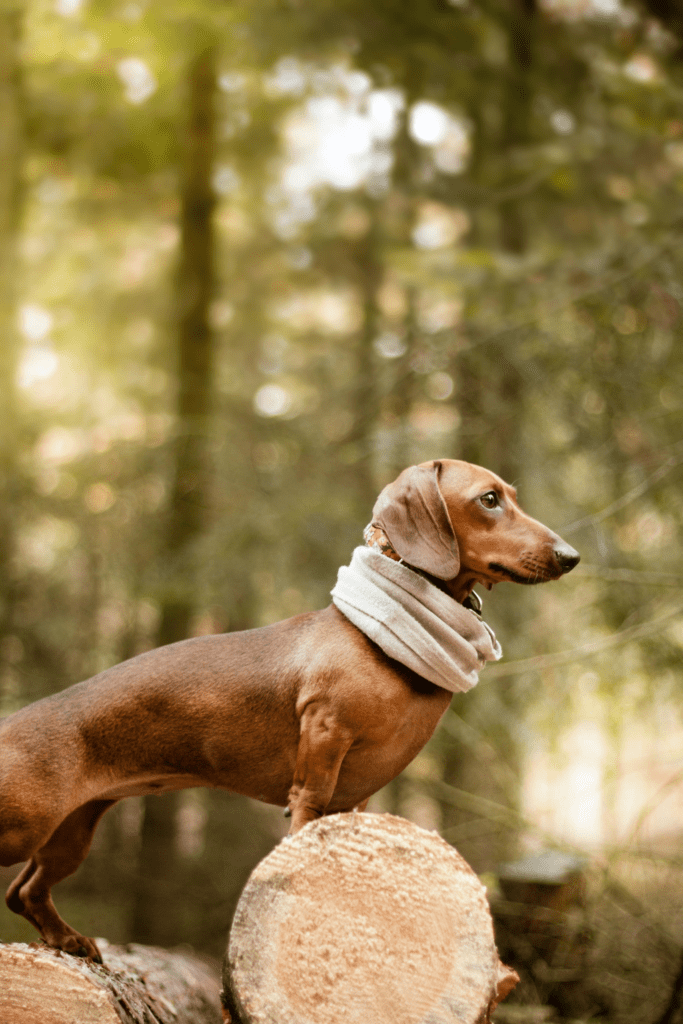
Dachshund with a white scarf stands on a cut log in a forest, looking to the right.

A Guide to the Dachshund Dog Breed

Learn all about the adorable and unique Dachshund dog breed. History and Origin Dachshunds have a rich history that dates back to 15th-century Germany. Originally bred for their unique hunting abilities, these small but mighty dogs were primarily used for tracking and retrieving game, particularly badgers and other burrow-dwelling animals. The name ‘Dachshund’ itself translates to ‘badger dog’ in German. During the 15th century, badger hunting was a popular sport among European nobility. However, it was not an easy task as badgers were known for their fierce nature and ability to retreat into their burrows when threatened. This is where the Dachshund’s long, low-slung body and powerful scenting ability came into play. Their sturdy limbs and strong front paws allowed them to dig into burrows, while their acute sense of smell helped them locate their prey. As hunting dogs, Dachshunds were highly valued for their bravery and determination. They were often praised for their ability to go head-to-head with much larger animals, and their courage in the face of danger made them a favorite choice among hunters. The breed’s popularity grew rapidly in Germany, and their versatile skills made them suitable for various types of hunting. In addition to badgers, Dachshunds were also used to track down and flush out other small game, such as rabbits and foxes. Over time, Dachshunds caught the attention of dog enthusiasts outside of Germany as well. Their distinctive appearance and exceptional hunting abilities soon made them popular in other parts of Europe and eventually across the world. Today, Dachshunds are known not only for their hunting prowess but also for their charming and affectionate nature. They have become beloved family pets and are valued for their loyalty, intelligence, and playful personality. The history and origin of Dachshunds bear testament to their impressive lineage and remarkable adaptability. Whether as skilled working dogs or cherished companions, these ‘badger dogs’ continue to leave their paw print in the hearts of dog lovers worldwide. Physical Characteristics Dachshunds, also known and loved as wiener dogs or sausage dogs, are an adorable breed with some unique physical characteristics that set them apart from other dogs. These small-sized dogs have a long and low body with short legs, giving them a distinct appearance. One of the most fascinating features of dachshunds is their body shape. Their elongated body is a result of a genetic mutation known as chondrodystrophy, which affects their cartilage and bone development. This mutation leads to their shortened legs and unique body structure. Despite their unconventional shape, dachshunds are incredibly agile and quick. They may be short, but they are certainly not lacking in speed or energy! Another interesting aspect of dachshunds is their coat type. These lovable pooches come in three different coat varieties: smooth, wirehaired, and longhaired. The smooth-coated dachshunds have a sleek and shiny coat that lies close to their bodies. The wirehaired dachshunds have a rough and wiry coat that provides them with extra protection and durability. And finally, the longhaired dachshunds have a gorgeous, flowing coat that is absolutely enchanting. Regardless of their coat type, dachshunds require regular grooming to maintain a healthy coat. Brushing their coat regularly helps to remove loose hair and prevent matting, ensuring that they always look their best. Additionally, dachshunds have a tendency to shed, so owners should be prepared for some fur around the house. Aside from their body shape and coat type, dachshunds have other physical characteristics that make them easily recognizable. They have a long snout, large expressive eyes, and velvety ears that are hard to resist. Their noses can come in various colors, including black, brown, or even pink. These traits combined give dachshunds an irresistible charm that melts the hearts of dog lovers all around the world. Due to their diminutive size and unique physique, dachshunds have become quite popular as a fashion statement. You may find them in all sorts of colors, patterns, and sizes. Some are smaller and more dainty, while others are larger and more robust. Regardless of their size, all dachshunds exude charm and personality. In conclusion, dachshunds possess a long and low body with short legs, making them one of the most recognizable dog breeds. Their coat types vary from smooth, wirehaired, to longhaired, each offering its own level of allure. They have a distinctive shape, expressive eyes, and velvety ears that add to their undeniable charm. Whether as loyal companions or fashionable pets, dachshunds continue to win the hearts of dog lovers worldwide. Temperament and Personality Dachshunds, also known as “wiener dogs,” are beloved for their lively and courageous nature. These small and adorable dogs may have short legs, but they definitely don’t lack in personality. Dachshunds are often described as being stubborn, but they make up for it with their affectionate and loyal nature. One of the defining traits of dachshunds is their courage. Despite their small size, these little dogs possess an incredible amount of bravery. They were originally bred to hunt badgers and other burrow-dwelling animals, which required a great amount of fearlessness. This trait has carried over through generations, and dachshunds continue to demonstrate their bravery in various situations. However, dachshunds can also be quite stubborn. They are known to have a mind of their own and can be independent thinkers. This can sometimes make training a challenge, as they may resist following commands or prefer to do things their own way. Patience and consistency are key when it comes to training a dachshund, as positive reinforcement and rewards tend to be more effective with this breed. Despite their stubbornness, dachshunds are incredibly affectionate dogs. They form strong bonds with their human family members and thrive on love and attention. Dachshunds are often seen cuddling up with their owners, seeking warmth and comfort. They enjoy being close to their loved ones and will shower them with love and affection. When it comes to family life, dachshunds can be great pets. They are loyal and protective of their families and can be excellent

A Guide to the Dachshund Dog Breed Read More »
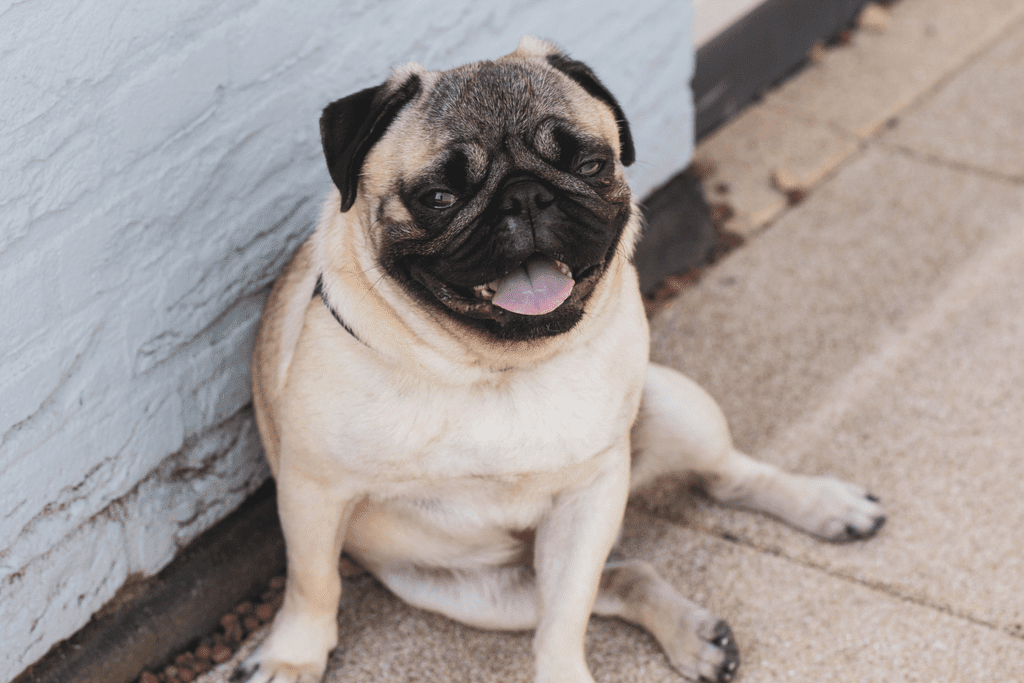
A happy pug with a dark face and light fur sits on the pavement, leaning against a light blue wall, with its tongue out.

A Guide to the Pug Dog Breed

Learn all about the adorable and lovable Pug dog breed, known for their wrinkled face and playful personality. History and Origin Pugs have a long and fascinating history that dates back over 2,000 years. Originating in China, these adorable little dogs were highly valued by Chinese emperors and were even considered to be royal dogs. The history of the pug can be traced back to the Han Dynasty in China, around the year 206 BC. They were often given as gifts to the emperors and were considered a symbol of wealth and prestige. The emperors would pamper their pugs with the utmost care, providing them with luxurious accommodations and the finest food. Pugs were not only kept as beloved pets but also had a role as companions to the royal family. They would accompany the emperors on their travels and even sleep alongside them in their beds. These unique looking dogs became popular not only within the imperial court but also among the nobility and wealthy merchants. They gained a reputation for their friendly and playful nature, as well as their loyalty and obedience. It wasn’t until the 16th century that pugs made their way to Europe. Dutch traders, who had established strong trading relationships with China, brought back pugs as gifts for the European nobility. The pugs became an instant hit, especially among the aristocracy. Europeans were captivated by the pug’s distinctive appearance, with their wrinkled faces and curly tails. They quickly became a popular breed, especially among the noble families of the Netherlands and England. In Europe, the pug’s popularity continued to rise. They were frequently depicted in paintings and portraits, often alongside their noble owners. Pugs were adored for their charming personalities and became known for their intelligence and affectionate nature. Over the centuries, pugs have remained a cherished breed, beloved by people around the world. Their adorable faces and playful personalities continue to capture the hearts of both young and old alike. Today, pugs are cherished as family pets and are known for their loving and gentle nature. They have become popular companions and are often seen at dog shows and events, where they never fail to captivate audiences with their endearing appearance. In conclusion, the history and origin of pugs is a testament to their beloved status throughout the centuries. From their beginnings in China as royal companions to their popularity in Europe and beyond, pugs have left an indelible mark on the hearts of dog lovers worldwide. Physical Characteristics Pugs are an adorable and unique breed of dog known for their distinct physical characteristics. These small and lovable pups have a compact and muscular body that is full of energy and personality. One of the most notable features of pugs is their wrinkled face. This adorable trait gives them a distinctive and expressive expression that is hard to resist. Their adorable foldings and wrinkles are not only cute but also serve a purpose. The wrinkles help to regulate the temperature of their flat faces, which can be prone to overheating. Another defining feature of pugs is their curled tail. Pugs typically have a tightly curled tail that rests on their back. This unique tail adds to their charm and affectionate nature. It is believed that the curled tail is a genetic trait that originated from their ancestors, who had a natural loop at the end of their tails. Pugs have a short and smooth coat that requires minimal grooming. This makes them an ideal choice for individuals who prefer low-maintenance pets. Their coat comes in a variety of colors, including fawn, black, silver, and apricot. Some pugs also have distinct markings, such as a black mask or a patch on their chest. These adorable dogs have a stocky build and a sturdy frame. Their muscular body allows them to be agile and active despite their small size. Pugs may be small, but they have a big personality. They are known for their playful and friendly nature. Pugs are also known for their clown-like behavior, often entertaining their owners with their silly antics. In conclusion, pugs have a unique and lovable appearance. Their compact and muscular body, wrinkled face, curled tail, and short coat make them instantly recognizable. They come in various colors and have a joyful and friendly temperament. Whether you are looking for a loyal companion or a family pet, pugs are sure to steal your heart with their adorable physical characteristics. Temperament and Personality Pugs are known for their friendly and sociable nature. They are naturally outgoing and have an innate ability to get along well with both humans and other animals. These lovable dogs are often described as being “clowns” due to their playful and mischievous behavior. One of the many reasons why Pugs are so popular is because they make excellent family pets. They are great with children and are known for their patience and tolerance. Pugs are gentle and loving, and they thrive on human companionship. They have a natural ability to bond with their owners and become part of the family. If you’re looking for a pet that is full of personality, Pugs are the perfect choice. These little dogs have a larger-than-life personality and are always ready to entertain. They love attention and will do just about anything to make you laugh. Pugs are known for their funny antics and unique expressions, which can brighten up even the gloomiest of days. When it comes to playtime, Pugs are always up for fun and games. They have a playful nature and enjoy interactive activities with their owners. Whether it’s chasing after a ball or playing a game of tug-of-war, Pugs are always eager to join in on the fun. Their mischievous nature adds an element of excitement and adventure to everyday life. In conclusion, Pugs have a temperament and personality that make them a favorite choice among dog lovers. Their friendly and sociable nature, along with their ability to get along well with children and other pets,

A Guide to the Pug Dog Breed Read More »

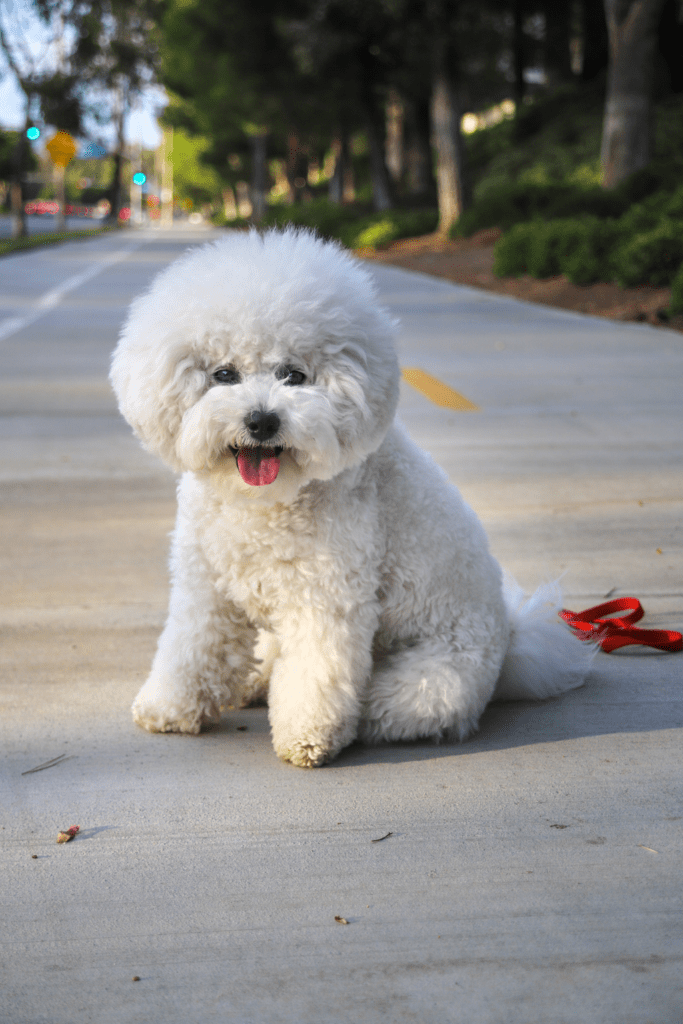
White fluffy dog with a red leash sitting on a paved path, tongue out, and trees in the background.

Top 5 Hypoallergenic Dog Breeds

If you suffer from allergies but still want to own a dog, there are several hypoallergenic breeds that may be suitable for you. These breeds produce fewer allergens, making them less likely to trigger allergic reactions. In this article, we will explore the top 5 hypoallergenic dog breeds. 1. Poodle Poodles are a popular choice for many dog lovers, and it’s not hard to see why. With their curly, non-shedding coat, they not only look stylish but also help reduce allergens in the environment. This can be particularly beneficial for individuals with allergies or asthma, as it minimizes the risk of triggering allergic reactions. Aside from their hypoallergenic coat, Poodles are highly intelligent and trainable, which makes them great family pets. Whether you’re looking for a companion for yourself or a furry friend for your children, Poodles are known for their friendly and gentle nature. They are also quick learners, able to pick up new commands and tricks with ease. One of the remarkable aspects of Poodles is their versatility in size. They come in three sizes: standard, miniature, and toy. The standard Poodle is the largest and can weigh anywhere from 45 to 70 pounds. Despite their size, they are known to be graceful and elegant dogs. Miniature Poodles, on the other hand, are smaller, typically weighing between 15 and 18 pounds. They are just as lively and intelligent as their larger counterparts. Finally, the toy Poodle is the smallest of the three, weighing in at around 6 to 9 pounds. Despite their small size, they are still energetic and make delightful companions. When it comes to care and grooming, Poodles require regular grooming sessions to maintain their distinctive coats. Their curly hair can become easily tangled and matted, so frequent brushing is crucial. Professional grooming may also be necessary to keep their coat in top condition. Poodles thrive on social interaction and love being a part of the family. They require regular exercise and mental stimulation to keep them happy and prevent boredom. Whether it’s a game of fetch or a brisk walk in the park, Poodles enjoy activities that keep them active and engaged. In conclusion, Poodles are wonderful companions that offer both style and substance. Their curly, non-shedding coat reduces allergens in the environment, making them a great choice for individuals with allergies. They are highly intelligent and trainable, making them suitable for families of all sizes. With their three distinct sizes, you are bound to find the perfect Poodle to fit your lifestyle. So why not consider adding a Poodle to your family? You won’t be disappointed! 2. Bichon Frise The Bichon Frise is a small, fluffy dog breed known for its adorable appearance and friendly nature. This breed has become increasingly popular due to its hypoallergenic coat, which doesn’t shed much and is suitable for people with allergies. Bichon Frises are not only hypoallergenic but also known for their affectionate nature and compatibility with children. However, regular grooming is necessary to maintain their coat’s hypoallergenic properties. Hypoallergenic Coat The Bichon Frise has a unique coat that is fluffy and soft to the touch. It consists of a dense, curly outer coat and a silky undercoat. This coat type is hypoallergenic, meaning it is less likely to cause allergies and irritation in individuals who have sensitivities to pet dander. The Bichon Frise’s hair grows continuously and doesn’t shed as much as other breeds, making it an excellent choice for people with allergies. To keep their coat hypoallergenic, regular grooming is necessary. This includes brushing their hair daily to prevent matting and tangling. Trimming their hair regularly is also important to maintain a tidy appearance. Many Bichon Frise owners opt to take their dogs to professional groomers who specialize in working with hypoallergenic breeds. Friendly and Affectionate The Bichon Frise is known for its friendly and affectionate nature. They are highly social dogs and enjoy spending time with their human companions. Bichon Frises are great with children and have a playful attitude, making them an ideal family pet. They have a strong desire to please their owners and are quick to form close bonds. It’s important to note that Bichon Frises thrive on human interaction and can become anxious if left alone for extended periods. They require regular exercise and mental stimulation to keep them happy and prevent behavioral issues. Daily walks, playtime, and interactive toys are essential for the overall well-being of these dogs. Grooming for Coat Maintenance As mentioned earlier, grooming plays a crucial role in maintaining the Bichon Frise’s hypoallergenic coat. Daily brushing is necessary to prevent tangles and mats. It’s also important to trim their hair regularly to keep it at a manageable length. Grooming sessions provide an opportunity to check for any skin issues or abnormalities. Bathing should be done as needed, using a gentle shampoo that won’t strip away the natural oils of their coat. It’s important to dry them thoroughly after each bath to prevent moisture from getting trapped in their dense fur, which could lead to skin problems. Bichon Frises also require routine dental care, nail trimming, and ear cleaning to maintain their overall health. In addition to regular grooming, a healthy diet is essential for the Bichon Frise’s coat maintenance. Providing high-quality dog food that meets their nutritional needs will support the health and shine of their coat. In conclusion, the Bichon Frise is a charming and friendly breed with a hypoallergenic coat that requires regular maintenance. Their fluffy, non-shedding hair makes them an excellent choice for individuals with allergies. However, potential owners should be prepared to invest time and effort into grooming to keep their coat in optimal condition. The Bichon Frise’s affectionate nature and compatibility with children make them a wonderful addition to any family. 3. Maltese Maltese dogs are a popular breed known for their charming appearance and lovable personality. These small four-legged companions have captured the hearts of many dog lovers around the world. In this section, we will explore some key

Top 5 Hypoallergenic Dog Breeds Read More »

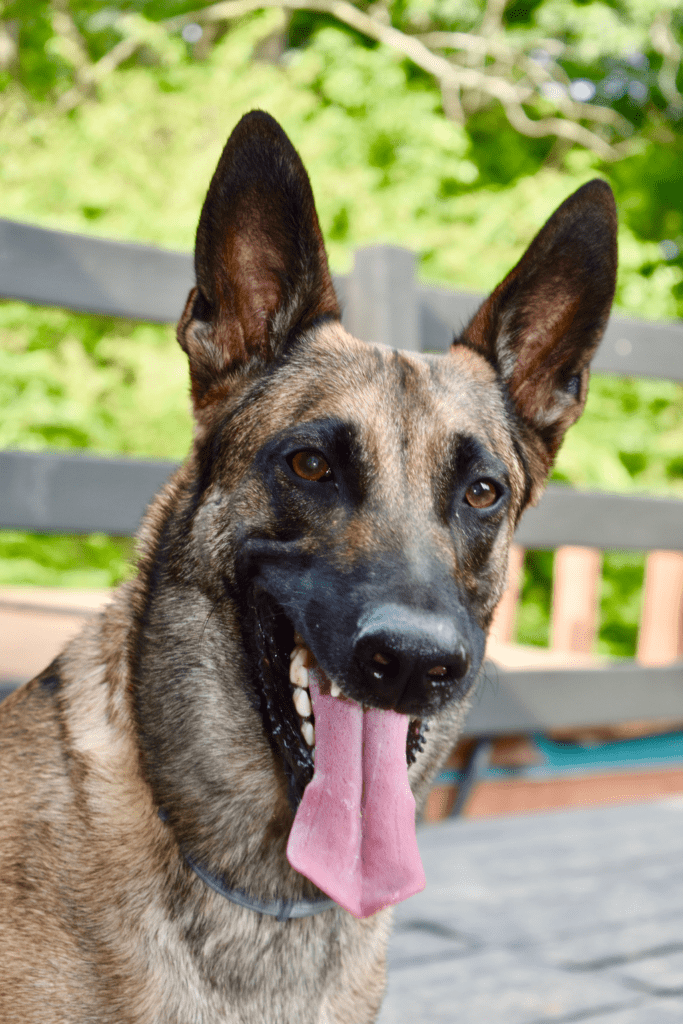
A happy Belgian Malinois with its tongue out, sitting outdoors in front of a fence and green foliage.

Top 5 Guard Dog Breeds

When it comes to protecting your home and family, having a reliable guard dog can make all the difference. In this blog post, we will explore the top 5 guard dog breeds that are known for their loyalty, intelligence, and protective instincts. German Shepherd The German Shepherd is a highly intelligent and versatile breed of dog. Known for their loyalty and protective nature, they excel as guard and police dogs. In this blog section, we will explore the key characteristics and qualities of German Shepherds. Highly Intelligent and Versatile Breed German Shepherds are renowned for their intelligence and problem-solving abilities. They are quick learners and easily trainable, which makes them suitable for a wide range of jobs and activities. These dogs are often used as search and rescue dogs, guide dogs for the blind, and in various other roles that require intelligence and adaptability. One of the reasons German Shepherds are so intelligent is their strong work ethic. They have a natural drive to please their owners and are eager to learn and perform tasks. This also makes them highly responsive to commands and capable of mastering complex tasks. Furthermore, German Shepherds possess excellent problem-solving skills, allowing them to figure out solutions to various challenges. This is particularly useful in situations where they need to think on their feet, such as during search and rescue operations or when being trained for specific tasks. Loyal and Protective of Their Family German Shepherds are known for their loyalty and devotion to their families. They form strong bonds with their owners and are always watchful and attentive to their well-being. It is this loyalty that makes them excellent family pets and protectors. While German Shepherds are friendly and gentle with their loved ones, they can also be fierce and protective when needed. They have a natural instinct to defend their family and will not hesitate to act in their defense, making them excellent guard dogs. In addition to their protective nature, German Shepherds are also highly intuitive. They can sense the emotions of their owners and respond accordingly, providing comfort and support when needed. This empathetic nature strengthens the bond between the dog and its family. Excellent Guard and Police Dogs German Shepherds are widely recognized as some of the best guard and police dogs in the world. Their intelligence, strength, and loyalty make them ideal for these roles. As guard dogs, German Shepherds have a natural instinct to protect their territory and alert their owners to potential threats. They are highly vigilant and have a keen sense of hearing, allowing them to detect intruders or unusual sounds. Combined with their protective nature, this makes them a reliable and effective deterrent. When it comes to police work, German Shepherds are unmatched. They are used extensively by law enforcement agencies for duties such as tracking suspects, sniffing out drugs or explosives, and apprehending criminals. Their intelligence, agility, and strong sense of smell make them invaluable assets in crime prevention and investigation. In conclusion, German Shepherds are highly intelligent, versatile, loyal, protective, and excellent guard and police dogs. Their exceptional qualities make them a popular choice for various roles, and their loyalty and devotion make them valued members of their families. Whether as working dogs or beloved pets, German Shepherds consistently prove themselves to be exceptional companions. Rottweiler The Rottweiler is a powerful and confident breed known for its strength and loyalty. Originally bred in Germany as a herding dog, Rottweilers have since become popular as guard dogs, police dogs, and family pets. In this article, we will explore the key characteristics of the Rottweiler and why they require proper training and socialization to thrive. Powerful and Confident Breed The Rottweiler is a large and muscular breed, known for its impressive strength. They have a robust and stocky build, with a broad chest and powerful jaw. Despite their imposing physique, Rottweilers are intelligent and have a calm and confident temperament. They are self-assured and aware of their surroundings, which makes them great at guarding and protecting. Due to their strength and size, Rottweilers require an owner who can handle their physicality. Regular exercise is essential to keep them fit, both physically and mentally. Engaging in activities such as long walks, jogging, and playing fetch will help release their energy and prevent boredom-induced behavioral issues. Fearless and Protective of Their Territory Rottweilers are fearless and highly protective of their territory. They have a strong guarding instinct and will not hesitate to defend their family and property. This quality makes them excellent guard dogs, as they will alert their owners to any potential threats and act if necessary. However, with this protective nature comes a need for proper training and socialization. Rottweilers need to be taught how to differentiate between real threats and everyday situations. Early socialization with different people, animals, and environments is crucial to ensure they develop into well-rounded and well-behaved dogs. Obedience training is also essential to teach them when and how to respond to commands. Require Proper Training and Socialization To fully enjoy the companionship of a Rottweiler, it is imperative to provide them with proper training and socialization from an early age. They are intelligent dogs and quick learners, but they can also be stubborn at times. Consistency and positive reinforcement are the keys to successful training. Enrolling your Rottweiler in obedience classes is highly recommended. These classes will help them learn basic commands, such as sit, stay, and come, as well as advanced commands for better control and off-leash reliability. It will also provide an opportunity for socialization with other dogs and people, exposing them to different situations and ensuring they become well-rounded members of society. A well-trained and socialized Rottweiler will be a loyal and loving companion. They bond deeply with their owners and are known for their loyalty. However, it is important to remember that while Rottweilers are generally loving and gentle with their family, they may be reserved and aloof with strangers. Proper socialization can help mitigate

Top 5 Guard Dog Breeds Read More »

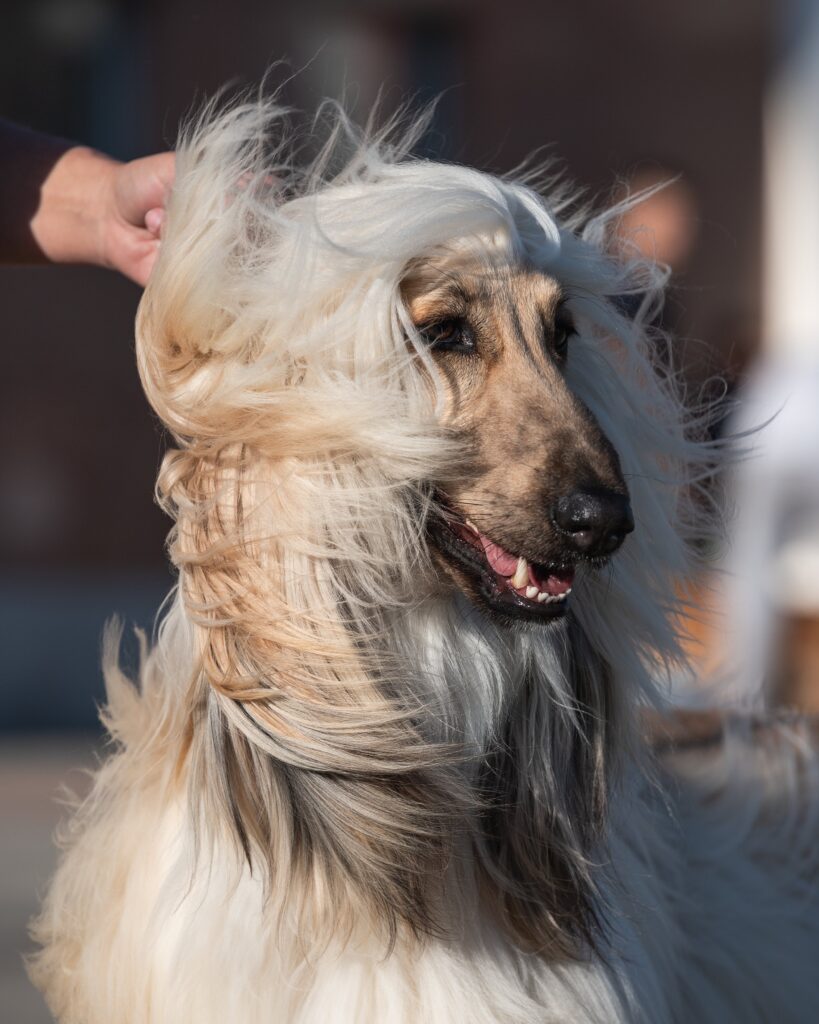
Long-haired Afghan Hound dog with flowing fur, groomed by a hand, smiling with mouth slightly open, outdoors in sunlight.

Top 10 Dog Breeds that Shed the Least Hair

If you’re looking for a dog that doesn’t shed much, here are the top 10 breeds to consider. 1. Bichon Frise The Bichon Frise is a unique and charming breed known for its hypoallergenic curly coat. This small dog requires regular grooming to prevent matting and keep its coat looking pristine. However, the extra effort is well worth it, as Bichon Frises are not only beautiful but also known for their friendly and affectionate nature. One of the most remarkable features of the Bichon Frise is its hypoallergenic coat. This means that individuals with allergies can often tolerate the presence of a Bichon Frise in their home without experiencing allergic reactions. The curly coat of this breed helps to trap the dander and prevents it from becoming airborne, reducing the risk of triggering allergies. For allergy sufferers who have always wanted a dog, the Bichon Frise can be a great choice. However, because of their curly coat, Bichon Frises require regular grooming to keep their fur looking its best. If not properly maintained, their coat can become matted and tangled, causing discomfort for the dog. Regular brushing and occasional visits to a professional groomer are essential to keep the coat healthy and free of tangles. Additionally, some owners choose to have their Bichon Frises’ coat trimmed short for easier maintenance. Aside from their unique coat, Bichon Frises are loved for their friendly and affectionate nature. They are known to be social dogs that enjoy spending time with their families and meeting new people. Bichons are often described as being happy and playful, making them wonderful companions for individuals or families of all ages. Another endearing trait of the Bichon Frise is their adaptability. They are comfortable living in various types of homes, from apartments to larger houses with yards. Bichons are also usually good with other pets, making them an excellent choice for multi-pet households. In conclusion, the Bichon Frise is a wonderful breed known for its hypoallergenic coat, requiring regular grooming to prevent matting, and its friendly and affectionate nature. If you are looking for a small dog with a big personality and a coat that won’t aggravate allergies, the Bichon Frise could be the perfect addition to your family. 2. Portuguese Water Dog Are you looking for a dog breed that is hypoallergenic and perfect for families with allergies? Look no further! The Portuguese Water Dog is the ideal choice. Not only is it a non-shedding breed, but it also has a waterproof coat that makes it unique and versatile. Non-shedding breed with a waterproof coat One of the standout features of the Portuguese Water Dog is its non-shedding coat. This means that you won’t have to worry about finding hair all over your clothes or furniture. The coat is also waterproof, which makes it perfect for families who enjoy spending time by the water. Whether you’re going for a swim in the pool or taking a walk by the beach, this breed will be right by your side, ready for any aquatic adventure. Highly intelligent and trainable Intelligence is another key characteristic of the Portuguese Water Dog. They are highly trainable and love to learn new tricks and commands. With their quick wit and eager-to-please attitude, they excel in obedience training. Whether you’re teaching them basic commands or advanced tricks, they’ll pick up on them quickly and show off their skills. This makes them a great choice for families who enjoy spending time training their dogs and engaging in stimulating activities. Great for families with allergies If you or anyone in your family suffers from allergies, the Portuguese Water Dog is the perfect companion. Their non-shedding coat reduces the amount of allergens in the air, making them hypoallergenic. This means that even individuals with allergies can enjoy the company of this amazing breed without the typical allergic reactions. They are a great choice for families who want a dog but need to consider allergy restrictions. So, if you’re in search of a dog breed that doesn’t shed, has a waterproof coat, is highly intelligent, and is suitable for families with allergies, the Portuguese Water Dog is an excellent choice. They make great additions to any family and will bring joy, happiness, and a lot of love into your home. 3. Shih Tzu The Shih Tzu is a small dog breed known for its long, silky hair. One of the most distinctive features of the Shih Tzu is its luxurious coat, which doesn’t shed much. This makes the breed a popular choice for people who have allergies or simply prefer a dog that doesn’t leave hair all over the house. However, the Shih Tzu’s beautiful hair requires regular maintenance to keep it in good condition. Brushing is essential to prevent tangles and mats from forming. Daily brushing is recommended, as it helps to remove loose hair and prevent it from getting tangled. In addition to regular brushing, occasional bathing and trimming of the hair around the eyes and ears may be necessary. Aside from their fabulous hair, Shih Tzus are known for being lively and friendly companions. They have a playful and affectionate nature, making them great pets for families and individuals alike. They are generally good with children and get along well with other dogs and pets when properly socialized. These little dogs thrive on human companionship and enjoy being the center of attention. They make excellent lap dogs and are often content to snuggle up with their owners. Despite their small size, Shih Tzus have a big personality and are always up for some fun and adventure. If you’re considering getting a Shih Tzu as a pet, be prepared to give them the love and attention they crave. They thrive in a loving and nurturing environment and require regular exercise, such as daily walks or playtime in a securely fenced yard. Shih Tzus are adaptable and can do well in both apartments and houses, as long as they receive the attention and exercise they need.

Top 10 Dog Breeds that Shed the Least Hair Read More »

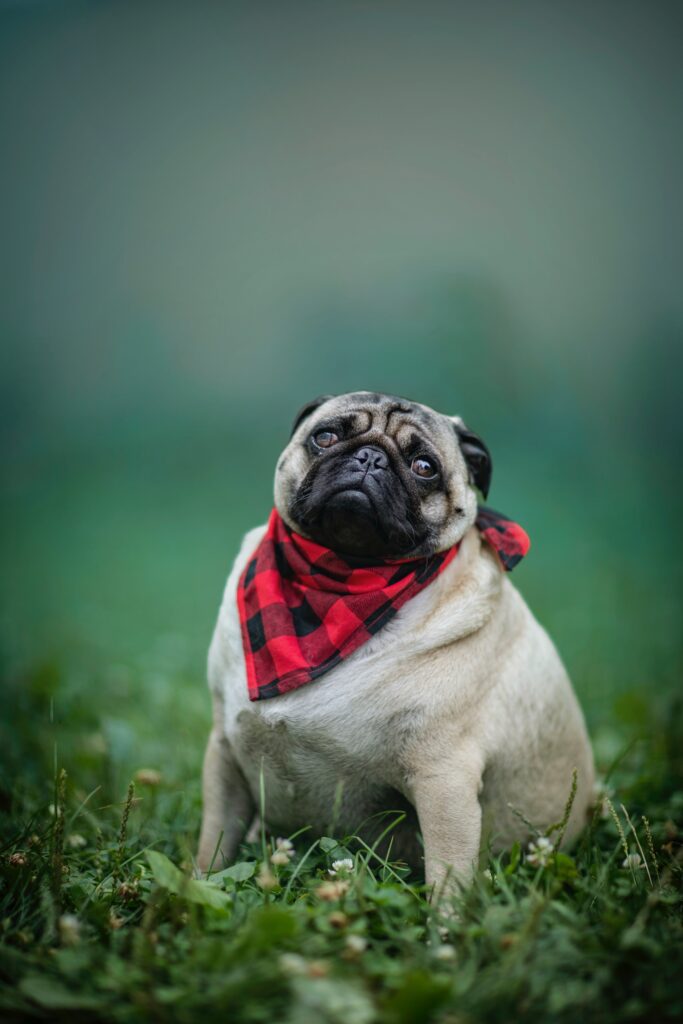
Pug wearing a red plaid bandana sitting on green grass with a blurred background.

5 Healthy Weight Loss Tips for Dogs

Maintaining a healthy weight is crucial for the overall well-being of your furry friend. Here are some effective tips to help your dog shed those extra pounds and stay fit. 1. Monitor their food intake Properly monitoring your dog’s food intake is essential for their health and well-being. By ensuring they are receiving the right amount of nutritious food, you can help prevent obesity and related health issues. Measure their meals to avoid overfeeding Feeding your dog the correct portion size is crucial. Overfeeding can contribute to weight gain and can lead to various health problems such as diabetes, joint issues, and heart disease. To avoid overfeeding, it is important to measure their meals accurately. You can use a measuring cup or a kitchen scale to ensure you are providing the right amount of food. The recommended portion size may vary based on your dog’s size, age, and activity level, so consult with your veterinarian to determine the appropriate amount. Choose high-quality, low-calorie dog food The quality of the food you choose for your dog plays a significant role in their overall health. Opt for high-quality dog food that is specifically formulated to meet their nutritional needs. Look for dog food that contains high-quality protein sources, such as chicken, beef, or salmon, as well as whole grains, vegetables, and fruits. Avoid dog food that contains excessive fillers, by-products, or artificial additives. Additionally, consider selecting a low-calorie dog food if your dog needs to lose weight or maintain a healthy weight. These types of food are formulated to provide all the necessary nutrients while keeping the calorie content in check. Avoid giving table scraps or excessive treats While it may be tempting to share your food with your furry friend, it is essential to avoid giving them table scraps. Many human foods, such as chocolate, onions, and grapes, can be toxic to dogs. Feeding your dog table scraps can also lead to weight gain and unhealthy eating habits. It is important to establish boundaries and only provide them with their designated dog food. If you want to give your dog treats as a reward or for training purposes, opt for healthy and low-calorie options. There are plenty of dog treats available in the market that are specifically formulated to be nutritious and tasty without adding unnecessary calories. Remember, maintaining a balanced and controlled diet is crucial for your dog’s overall health and well-being. By monitoring their food intake, choosing the right dog food, and avoiding unnecessary treats and table scraps, you can help them maintain a healthy weight and prevent potential health issues. 2. Increase physical activity Regular physical activity is important for keeping your dog healthy and happy. Not only does it help maintain a healthy weight, but it also provides mental stimulation and helps prevent behavior problems. Here are some ways you can increase your dog’s physical activity: 1. Take your dog for regular walks or runs One of the easiest and most common ways to increase physical activity is by taking your dog for regular walks or runs. Not only does this provide exercise, but it also allows your dog to explore their surroundings and get some fresh air. It’s recommended to walk your dog at least once a day for 30 minutes to an hour, depending on their age, breed, and health condition. 2. Engage in interactive play sessions Interactive play sessions are a great way to bond with your dog and provide them with mental and physical stimulation. You can play games like fetch, tug-of-war, or hide and seek. These activities not only keep your dog active but also help improve their coordination and problem-solving skills. 3. Consider agility training or swimming Agility training and swimming are advanced forms of physical activity that can take your dog’s fitness to the next level. Agility training involves navigating through obstacle courses, which can help improve your dog’s agility, balance, and coordination. Swimming is a low-impact exercise that is gentle on your dog’s joints while still providing a full-body workout. No matter which activities you choose, it’s important to start slowly and gradually increase the intensity and duration. Always consider your dog’s age, breed, and overall health when designing an exercise routine. Also, don’t forget to consult with your veterinarian before starting any new activities, especially if your dog has any existing health conditions. In conclusion, increasing your dog’s physical activity is vital for their overall well-being. It not only helps keep them physically fit but also provides mental stimulation and prevents behavior problems. So, make sure to take your dog for regular walks or runs, engage in interactive play sessions, and consider more advanced activities like agility training or swimming. Your dog will thank you for it! 3. Provide Mental Stimulation Dogs are intelligent creatures who thrive when they are mentally stimulated. Boredom can lead to destructive behavior and can also affect their overall well-being. Therefore, it is essential to provide mental stimulation for your furry friend. Here are a few ways you can ensure your dog stays mentally engaged and entertained: Use Puzzle Toys or Treat-Dispensing Toys Puzzle toys and treat-dispensing toys are excellent tools to challenge your dog’s mind while keeping them entertained. These toys are designed to make your dog work for their food or treats. By solving puzzles or manipulating the toy in various ways, your dog can earn their reward. Not only do these toys provide a mental challenge, but they also prevent your dog from gulping down their food too quickly, which can lead to digestive issues. There are different types of puzzle toys available, such as ones that require your dog to move pieces or ones that require them to solve a sequence of actions. Begin with simpler puzzles and gradually increase the difficulty level as your dog becomes more proficient. This will keep them engaged and prevent them from becoming frustrated. Teach New Tricks or Obedience Commands Teaching your dog new tricks or obedience commands is a great way

5 Healthy Weight Loss Tips for Dogs Read More »

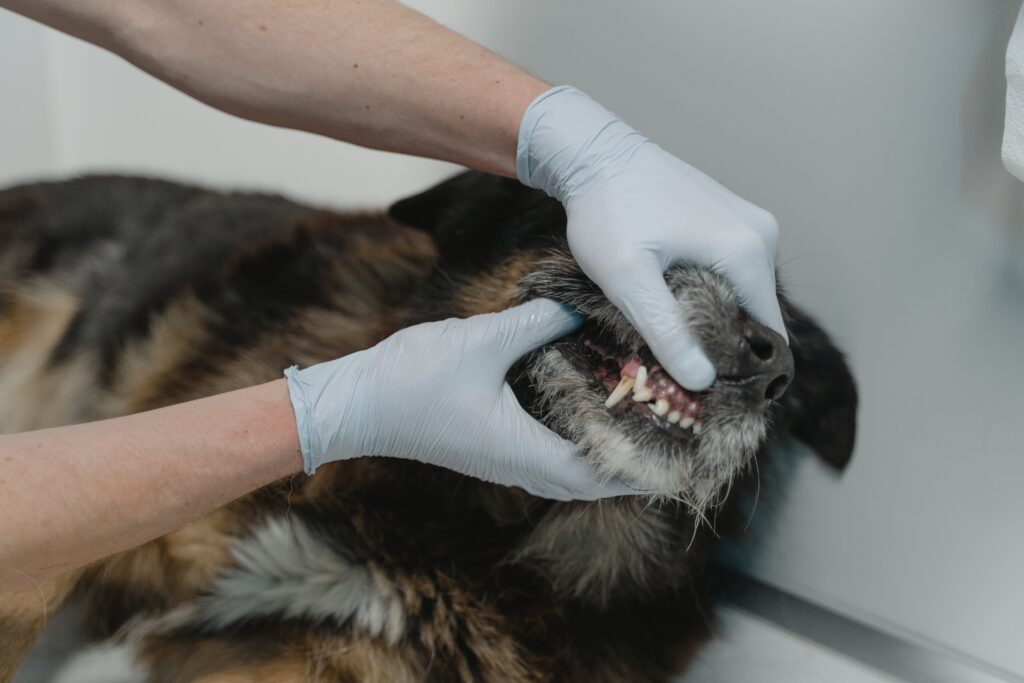
A veterinarian wearing gloves examines a dog's teeth, lifting its lips to check dental health.

Taking Care of Your Dog’s Teeth

Proper dental care is essential for your dog’s overall health and well-being. Neglecting your dog’s teeth can lead to various dental problems and even affect their overall health. In this blog post, we will discuss some important tips for taking care of your dog’s teeth. Regular Brushing Regular brushing is essential for maintaining your dog’s dental health. By incorporating regular brushing into your dog’s routine, you can prevent various dental issues such as plaque buildup, tartar, bad breath, and gum disease. Here are some tips to help you establish a regular brushing routine for your dog. Brush your dog’s teeth regularly using a dog-specific toothbrush and toothpaste. It is important to use a toothbrush and toothpaste specifically designed for dogs. Human toothpaste can be harmful to dogs as it contains ingredients that are toxic to them. Dog toothbrushes are usually smaller and have softer bristles that are gentle on your dog’s gums and teeth. When introducing brushing to your dog, start by getting them comfortable with the toothbrush. Allow them to sniff and lick it so they can become familiar with the object. Gradually, start brushing their teeth for short durations, ensuring you reach all areas of their mouth. Start slowly and gradually increase the duration of brushing sessions. At the beginning, your dog may resist or become nervous during brushing sessions. It’s important to be patient and make it a gradual process. Start with short brushing sessions, around 30 seconds to a minute, and gradually increase the time as your dog becomes more comfortable. You can also incorporate playtime or a favorite activity into brushing sessions to distract and relax your dog. This will make the experience more enjoyable for them and help build a positive association with brushing. Make it a positive experience by rewarding your dog with treats or praise. Positive reinforcement is a great way to encourage your dog to accept brushing. After each successful brushing session, reward your dog with praise, treats, or a favorite toy. This will create a positive association with brushing and motivate your dog to cooperate during future sessions. Remember to be patient and consistent with your dog’s brushing routine. Aim to brush their teeth at least two to three times a week. Regular brushing, combined with professional dental cleanings as recommended by your veterinarian, will help ensure your dog’s oral health and overall well-being. Provide Dental Chews and Toys In addition to regular brushing, providing your dog with dental chews and toys is an excellent way to promote their dental health. These specially designed chews and toys help remove plaque and tartar buildup, keeping your dog’s teeth clean and healthy. Here are some tips for choosing the right dental chews and toys for your furry friend. 1. Choose the Right Products When selecting dental chews and toys for your dog, it’s crucial to choose products that are safe and appropriate for their size and chewing habits. Look for chews and toys that are specifically marketed for dental care and have positive reviews. Make sure to read the product labels and choose ones that are made from safe and durable materials. 2. Consider Your Dog’s Size and Chewing Strength Every dog is unique, and their dental needs may vary depending on their size and chewing strength. If you have a small dog, opt for smaller-sized chews and toys that they can comfortably handle. On the other hand, if you have a larger dog or a powerful chewer, choose larger and more robust options that can withstand their chewing habits. 3. Look for Dental Benefits Not all dental chews and toys are created equal. Some are simply designed for entertainment, while others have specific dental benefits. Look for products that are scientifically proven to help remove plaque and tartar. These may have special grooves, textures, or ingredients that contribute to better dental hygiene. The packaging or product description should clearly state the dental benefits. 4. Prioritize Safety Safety should be your top priority when selecting dental chews and toys for your dog. Avoid products with small parts that could be a choking hazard. Additionally, be wary of chews that are extremely hard or brittle as they can potentially damage your dog’s teeth. If you’re unsure about a particular product, consult with your veterinarian for guidance. 5. Rotate the Chews and Toys While dental chews and toys are great for your dog’s oral health, they should not be the only method of dental care. To ensure your dog receives balanced oral hygiene, it’s important to rotate different types of chews and toys. This will keep your dog engaged and prevent boredom. Consider having a variety of textures, shapes, and sizes to cater to your dog’s preferences. 6. Supervise Chewing Sessions Always supervise your dog during chewing sessions, especially with new chews or toys. This allows you to monitor their behavior, ensure they’re using the product correctly, and intervene if necessary. If you notice any signs of discomfort, stop the chewing session immediately and inspect the chew or toy for any damages. In conclusion, providing dental chews and toys is an effective way to improve your dog’s oral health. By choosing the right products, considering your dog’s size and chewing habits, prioritizing safety, and rotating the chews and toys, you can help maintain your dog’s dental hygiene between brushing sessions. Remember to always consult with your veterinarian for personalized recommendations and advice. Regular Vet Check-ups Regular check-ups with your veterinarian are essential to ensure the overall health and well-being of your pet. When it comes to dental health, these check-ups become even more important. Dental issues can often go unnoticed and lead to serious health problems if left untreated. By scheduling regular dental check-ups, you can prevent potential problems and keep your pet’s teeth in top condition. Schedule regular dental check-ups with your veterinarian The first step in maintaining good dental health for your pet is to schedule regular dental check-ups with your veterinarian. Just like humans, animals also require professional dental care

Taking Care of Your Dog’s Teeth Read More »

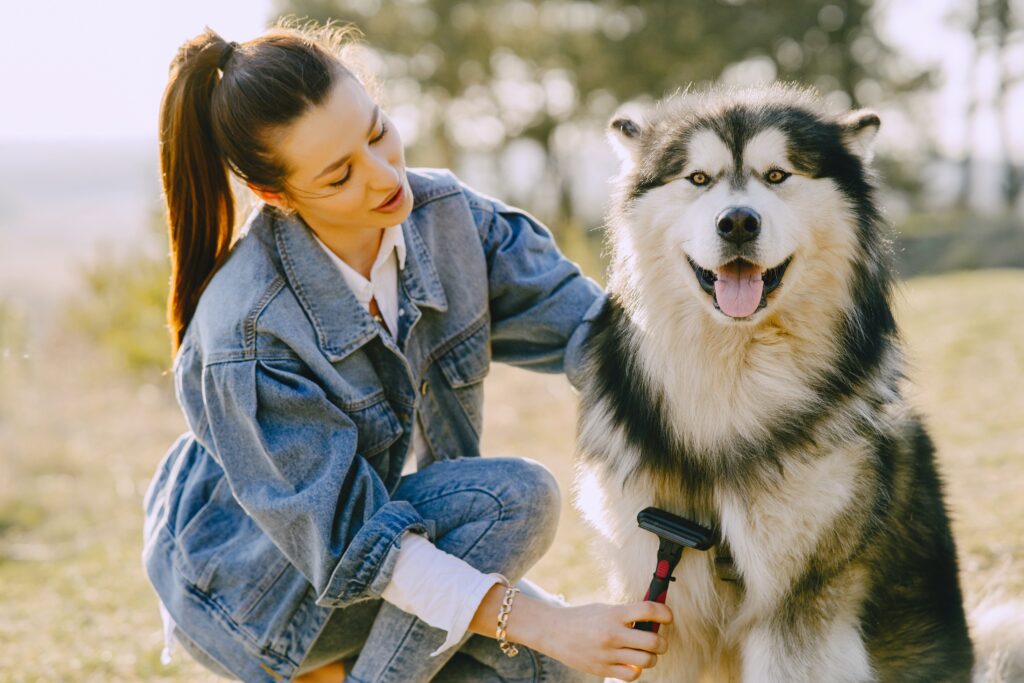
Woman in denim jacket brushes a large, fluffy dog outdoors on a sunny day. The dog is smiling with its tongue out.

5 Tips for Maintaining a Dog’s Shiny Coat

A shiny coat is a sign of a healthy dog. Here are 5 tips to help you maintain your dog’s coat and keep it looking shiny and lustrous. 1. Regular Brushing Regular brushing is an essential part of maintaining your dog’s coat in good condition. Not only does it help to remove loose hair and prevent tangles, but it also helps to distribute the natural oils produced by your dog’s skin, keeping their coat healthy and shiny. In this section, we will discuss the importance of regular brushing and provide some tips to make the brushing process comfortable for your furry friend. 1.1 Brushing for Hair Removal One of the main reasons for brushing your dog’s coat regularly is to remove loose hair. Dogs, especially those with long or double coats, can shed a significant amount of hair, which can end up all over your furniture and clothes if not properly managed. By brushing your dog’s coat, you can reduce the amount of loose hair and keep it from spreading around your home. To effectively remove loose hair, choose a brush that is suitable for your dog’s coat type. For example, a slicker brush or a deshedding tool is ideal for breeds with long or double coats, while a bristle brush works well for short-coated breeds. Start by brushing in the direction of hair growth and use gentle, sweeping motions to avoid causing any discomfort to your dog. 1.2 Preventing Tangles and Matting In addition to hair removal, regular brushing also helps to prevent tangles and matting in your dog’s coat. Tangles occur when clumps of hair become intertwined, while matting refers to the formation of tightly packed knots. Both tangles and matting can be painful for your dog and may require grooming intervention to remove. To prevent tangles and matting, choose a brush that is specifically designed for your dog’s coat type. For example, a slicker brush with fine, closely spaced bristles is ideal for breeds with long or curly hair, as it can easily glide through the coat and detangle any knots. Regular brushing helps to keep your dog’s coat free from tangles and matting, ensuring their comfort and overall well-being. 1.3 Gentle Brushing for Comfort While brushing is important for maintaining your dog’s coat, it is crucial to approach the process with gentleness and care. Brushing too roughly or using the wrong type of brush can cause discomfort, skin irritation, and even injury to your dog. Therefore, it is essential to be gentle and considerate during the brushing sessions. Start by introducing your dog to the brush and allow them to sniff and inspect it. This will help them become comfortable with the tool and associate it with positive experiences. Use slow, gentle strokes and avoid pulling or tugging on any tangles or knots. If you encounter any matting that cannot be easily brushed out, consider seeking professional grooming assistance to prevent causing pain or damage to your dog’s skin. In conclusion, regular brushing is an essential part of dog grooming. By brushing your dog’s coat regularly, you can remove loose hair, prevent tangles and matting, and distribute natural oils to keep their coat healthy and shiny. Remember to choose the appropriate brush for your dog’s coat type and handle the brushing process with gentleness and care. Your dog will appreciate the extra attention and love you give them during these grooming sessions. 2. Proper Nutrition Feed your dog a balanced diet with high-quality dog food to promote a healthy coat. Providing your dog with a balanced diet is essential for their overall health, and it plays a significant role in the appearance and condition of their coat. Choosing the right dog food that meets their nutritional needs is the first step towards promoting a healthy and shiny coat. High-quality dog food is formulated to contain all the essential nutrients, vitamins, and minerals that your pet requires for optimal health and a lustrous coat. When selecting dog food, look for options that include a high protein content. Proteins, such as chicken, turkey, or fish, are essential for supporting healthy hair growth and maintaining a strong coat. Additionally, ensure that the dog food contains a good balance of carbohydrates and fats to provide energy and maintain healthy skin. In order to determine the quality of the dog food, it’s crucial to read and understand the ingredients list. Avoid food that contains fillers, artificial colors, flavors, or preservatives, as these can have a negative impact on your dog’s coat and overall health. Opt for options that include natural, wholesome ingredients without any unnecessary additives. Tips:– Look for dog food brands that are labeled as “complete and balanced” to ensure your pet is getting all the necessary nutrients.– Consider your dog’s specific needs, such as age, size, and any existing health conditions when choosing their food.– If you’re uncertain about which dog food is best for your pet, consult with your veterinarian for personalized recommendations. Include essential fatty acids in their diet, such as omega-3 and omega-6, which can be found in fish oil or flaxseed oil supplements. Omega-3 and omega-6 fatty acids are crucial for maintaining healthy skin and coat in dogs. These essential fatty acids cannot be produced by the dog’s body and must be obtained through diet. Including sources of omega-3 and omega-6 in your dog’s diet will contribute to a healthier and shinier coat. Fish oil is one of the most common and readily available sources of omega-3 fatty acids. It contains EPA (eicosapentaenoic acid) and DHA (docosahexaenoic acid), which help reduce inflammation and promote healthy skin and coat. You can find fish oil supplements specifically designed for dogs at pet stores or consult with your veterinarian for the appropriate dosage for your pet. Another source of essential fatty acids is flaxseed oil, which is rich in omega-3 and omega-6. Flaxseed oil can be easily added to your dog’s food, and it provides similar benefits to fish oil. However, it’s important to note that some

5 Tips for Maintaining a Dog’s Shiny Coat Read More »

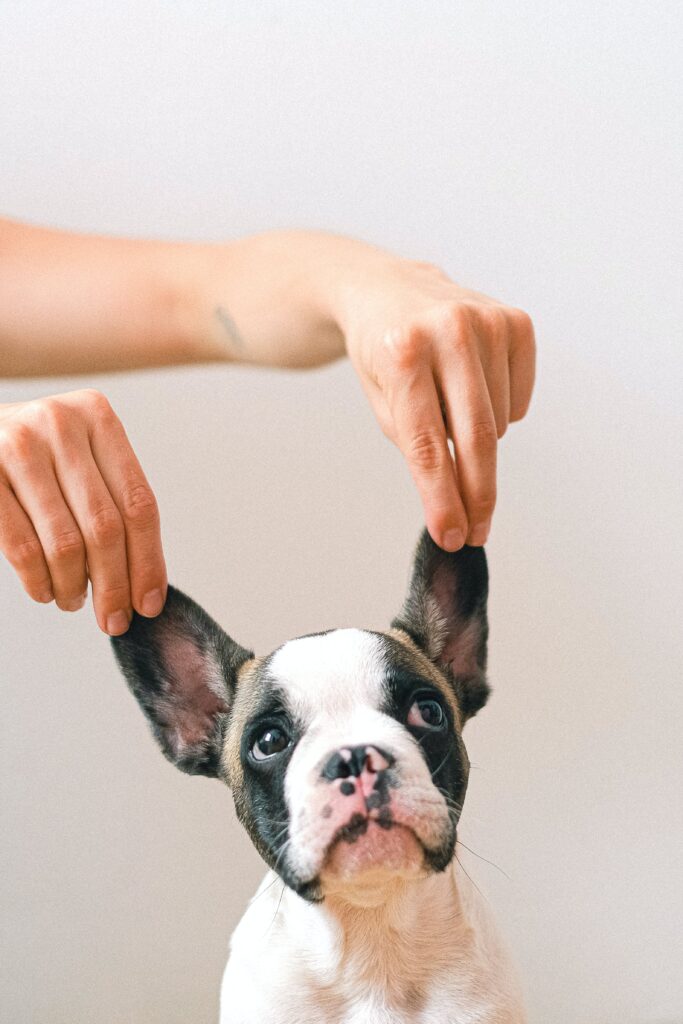
Person holding up a French Bulldog puppy's ears, making them stand straight up against a plain white background.

How to Clean Your Dog’s Ears

Proper ear cleaning is an important part of your dog’s grooming routine. Regular cleaning can help prevent ear infections and keep your dog’s ears healthy. Here’s a step-by-step guide on how to clean your dog’s ears safely and effectively. Gather the necessary supplies In order to properly clean your dog’s ears, it is important to gather all the necessary supplies beforehand. By having everything prepared, you can ensure a smooth and effective ear cleaning process. Cotton balls or pads The first item you will need is a supply of cotton balls or pads. These are essential for gently removing any dirt, debris, or excess ear cleaning solution from your dog’s ears. Make sure to choose a brand that is soft and safe for use on your dog’s delicate ears. Ear cleaning solution recommended by your veterinarian Next, you will need an ear cleaning solution that is recommended by your veterinarian. It is important to use a solution specifically designed for dogs as human ear cleaning products may not be safe or effective for canine ears. Your veterinarian can provide guidance on the best ear cleaning solution for your dog’s specific needs. Note: If your dog has a history of ear infections or other ear issues, your veterinarian may prescribe a specially formulated ear cleaning solution to address those specific conditions. Treats or rewards for your dog Lastly, it is helpful to have some treats or rewards on hand during the ear cleaning process. Cleaning your dog’s ears can be a potentially uncomfortable or stressful experience for them, so offering treats as positive reinforcement can help make the process more enjoyable for your furry friend. Choose small, easily digestible treats that your dog loves. Remember: The treats should be used as a reward for good behavior during the ear cleaning process, not as a distraction or bribery. By gathering these essential supplies beforehand, you can ensure that you have everything you need to properly clean your dog’s ears. This will not only make the process more efficient but also more comfortable and enjoyable for both you and your furry friend. Prepare your dog Choose a quiet and comfortable area for the cleaning When it comes to grooming your dog, it’s important to choose a quiet and comfortable area where they will feel relaxed and at ease. This will make the whole process much easier for both you and your furry friend. Look for a space in your home where there are minimal distractions and noise. It could be a dedicated grooming area or a corner of a room where your dog feels secure. Tip:If your dog tends to be nervous or anxious during grooming sessions, consider setting up their grooming area near a window with a view. This can provide a calming distraction and help them feel more at ease. Have someone assist you if your dog is anxious or uncooperative If your dog is particularly anxious or uncooperative when it comes to grooming, it can be helpful to have an extra set of hands to assist you. This could be a family member or a friend who is comfortable with dogs. Having someone there to help hold your dog or distract them with treats can make the process go much smoother. Tip: Make sure the person assisting you is familiar with your dog and knows how to handle them safely. It’s important to prioritize your dog’s comfort and well-being throughout the grooming process. Give your dog some treats or rewards to create a positive association Grooming can sometimes be a stressful experience for dogs, so it’s important to create a positive association with the activity. One way to do this is by giving your dog treats or rewards during and after the grooming session. This will help them associate grooming with something positive and enjoyable. Tip: Choose high-value treats that your dog loves, such as small pieces of cooked chicken or cheese. You can also use special grooming rewards, like dental chews or puzzle toys filled with treats, to keep your dog entertained and motivated during the grooming process. By choosing a quiet and comfortable area for grooming, having someone assist you if needed, and offering treats or rewards, you can help prepare your dog for a successful and stress-free grooming experience. Inspect the ears Regularly inspecting your pet’s ears is an important part of their overall health and well-being. By conducting routine checks, you can catch any potential issues early on and address them before they become more serious. Here is a step-by-step guide on how to inspect your pet’s ears: 1. Check for any signs of redness, swelling, discharge, or foul odor Start by gently lifting your pet’s ear flap and visually examining the ear canal. Look for any signs of redness, swelling, discharge, or foul odor. These could indicate an infection or inflammation. If you notice any of these abnormalities, it is crucial to consult your veterinarian for further evaluation and treatment. 2. Look for excessive earwax or debris Next, observe the ear canal for excessive earwax or debris. Some amount of earwax is normal, as it helps lubricate and protect the ears. However, an excessive buildup of wax or debris can lead to blockage and increase the risk of infection. If you notice an abnormal amount of earwax or debris, it is recommended to seek professional guidance from your veterinarian. 3. If you notice any abnormalities, consult your veterinarian before proceeding If during the inspection, you notice any abnormalities such as redness, swelling, discharge, or excessive earwax, it is important to consult your veterinarian before attempting any further actions. Your veterinarian will be able to assess the situation accurately and provide appropriate guidance or treatment. Remember, your pet’s ears are delicate and sensitive. It is crucial to handle them with care during the inspection process. Avoid using any sharp objects or inserting anything into the ear canal without proper professional guidance. Your veterinarian is your best resource when it comes to addressing any ear-related concerns. By following these steps

How to Clean Your Dog’s Ears Read More »

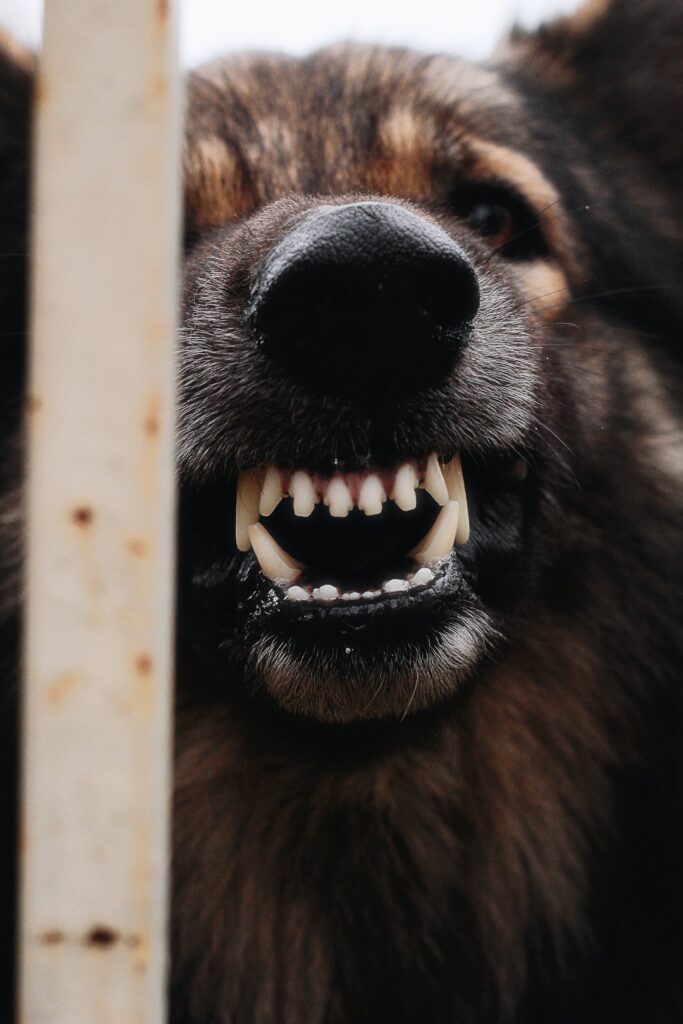
Close-up of a dog with bared teeth behind bars, showing its nose and mouth in detail.

How to Calm an Aggressive Dog

Aggression in dogs can be a serious issue that needs to be addressed. This blog post will provide some effective techniques to calm an aggressive dog and promote a peaceful environment. Understanding the Causes of Aggression Aggression is a common behavior problem in dogs that can manifest in various ways, including growling, biting, and lunging. It is important for dog owners to understand the causes of aggression in order to address the issue effectively and ensure the safety of everyone involved. In this article, we will explore the key factors that contribute to aggression in dogs and discuss how to identify and manage them. Identify the triggers that cause aggression in your dog Every dog is unique, and what may trigger aggression in one dog may not affect another. It is crucial to identify the specific triggers that cause your dog to become aggressive. Common triggers include fear, pain, resource guarding, territoriality, and frustration. By observing your dog’s behavior and the circumstances surrounding aggressive incidents, you can start to identify patterns and potential triggers. If your dog becomes aggressive towards other dogs, it could be due to fear or feeling threatened. In such cases, gradual desensitization and counterconditioning techniques can help your dog become more comfortable and less reactive in the presence of other dogs. Resource guarding is another common trigger for aggression, where dogs become possessive and protective over their food, toys, or other valuable items. Managing resource guarding involves teaching your dog to associate the presence of people or other pets with positive experiences, such as receiving treats or praise, to create a positive association instead of aggression. Recognize any underlying medical conditions that may contribute to aggression Aggression can also be caused or exacerbated by underlying medical conditions. Pain, hormonal imbalances, neurological disorders, and certain medications can all contribute to aggressive behavior in dogs. If you notice a sudden change in your dog’s behavior, it is important to consult with a veterinarian to rule out any potential medical issues. A thorough physical examination and diagnostic tests can help identify and address any underlying medical conditions that may be causing or contributing to your dog’s aggression. Consider the dog’s past experiences and socialization A dog’s past experiences and socialization play a significant role in shaping their behavior and temperament. Dogs that have had negative experiences or inadequate socialization during their critical developmental period are more likely to exhibit aggression later in life. If a dog lacks proper socialization, they may perceive various situations or stimuli as threats, leading to aggression as a defensive response. Providing positive experiences and gradually exposing them to new environments, people, and animals can help improve their socialization skills and reduce the likelihood of aggression. In conclusion, understanding the causes of aggression in dogs is essential for effectively addressing this behavior problem. By identifying triggers, recognizing underlying medical conditions, and addressing past experiences and socialization, dog owners can take the necessary steps to prevent and manage aggression in their furry companions. Seek Professional Help When it comes to addressing behavioral issues or training problems with your dog, seeking professional help is crucial. Veterinarians and animal behaviorists have the expertise and knowledge to guide you through the process, ensuring the well-being of both your pet and others. Consult with a veterinarian or animal behaviorist for expert guidance The first step is to consult with a veterinarian or animal behaviorist who specializes in dog behavior. They will be able to assess your dog’s specific issues and provide you with expert guidance on how to address them. These professionals have studied animal behavior extensively and can offer valuable insights into your dog’s actions. During the consultation, be prepared to provide a detailed history of your dog’s behavior, including any triggers or patterns you’ve noticed. The more information you can provide, the better equipped the veterinarian or behaviorist will be to develop an appropriate treatment plan. Follow their recommendations for training, behavior modification, or medication if necessary Once you’ve received guidance from the veterinarian or behaviorist, it’s important to follow their recommendations diligently. They may suggest specific training techniques, behavior modification exercises, or even medication if necessary. Training techniques can help modify your dog’s behavior and teach them appropriate responses to certain situations. Behavior modification exercises are designed to change undesirable behaviors by rewarding positive actions and redirecting negative ones. In some cases, medication may be prescribed to manage underlying medical or psychological conditions that contribute to the behavior problems. Ensure a safe environment for both the dog and others While working on addressing your dog’s behavioral issues, it’s crucial to provide a safe environment for both your dog and those around them. This may involve implementing management strategies to prevent situations that trigger problematic behaviors. For example, if your dog is reactive towards other dogs, you may need to avoid off-leash areas or use a muzzle for walks until their behavior improves. It’s essential to prioritize the safety of all involved and prevent potentially harmful situations. In conclusion, seeking professional help when dealing with your dog’s behavioral issues is essential. Veterinarians and animal behaviorists can provide expert guidance, recommend training techniques or behavior modification strategies, and ensure a safe environment for both your dog and others. By working closely with these professionals, you can address your dog’s issues effectively and improve their overall well-being. Implement Positive Reinforcement Training If you have an aggressive dog, it’s important to address their behavior in a positive and effective way. One of the most successful methods is positive reinforcement training. This approach focuses on rewarding desired behaviors rather than punishing unwanted ones. Here are a few key points to keep in mind when implementing positive reinforcement training: Use reward-based training methods to encourage desired behaviors Reward-based training involves using positive reinforcement, such as treats, praise, and play, to motivate your dog to exhibit the behaviors you want to see. When your dog behaves well, immediately reward them with a treat or a kind word. This positive association will encourage them

How to Calm an Aggressive Dog Read More »