Dog Blogs

Explore our dog blog for tips on health, training, dog breeds, and behavior to keep your furry friend happy and healthy.

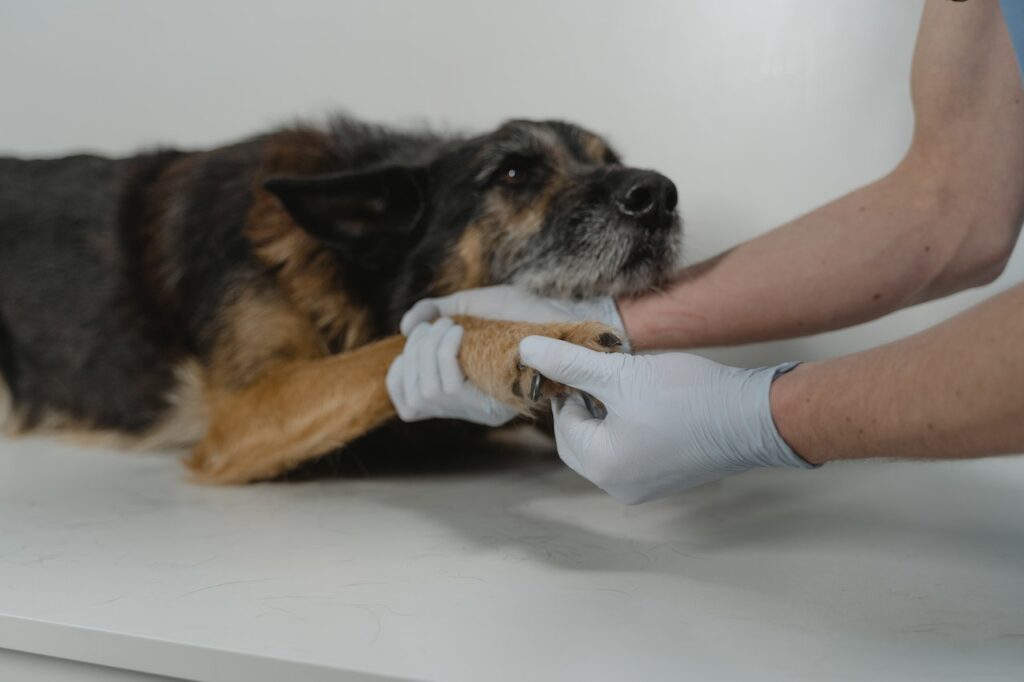
Veterinarian wearing gloves holding the paw of a German Shepherd on an examination table.

5 Reasons Dogs Lick and Chew Their Paws and How to Help Them

Ever sat with your canine companion during a quiet evening, only to find them going to town on their paws like they’ve found a hidden treasure? Paw licking and chewing is a common canine habit. But ever stopped to wonder, why on earth is Fido so obsessed with his toes? Let’s unpack this paw-dicament. Allergies: The Itchy Nemeses Just like us, dogs can fall victim to the itchy wrath of allergies. And often, their paws bear the brunt of this battle. For example, Buster, a lively Labrador, started gnawing at his paws after walks. A vet visit revealed he was allergic to a specific grass type in his favorite park. Who would’ve thought? Yeast Infections: A Sticky Situation A dog’s paws can be a hotbed for yeast, especially if they’re moist or sweaty. Symptoms of a yeast infection include: Remember, yeast thrives in warm and wet environments. So, if your pup loves water but hates drying off, you might have found your culprit. Dry and Cracked Paws: The Desert Effect Have you ever experienced dry skin in winter? Our pets aren’t immune to this either. A dog’s paws can become dry and cracked, leading to: Imagine walking on sandpaper. Ouch! This might just be how your dog feels. Psychological Reasons: More Than Skin Deep Sometimes, the issue isn’t physical. Stress, anxiety, or plain old boredom can lead to obsessive paw licking. Bella, a Boxer, began licking her paws when her family moved houses. A little digging revealed she missed her old stomping grounds and buddies. Emotional, isn’t it? Injuries or Foreign Objects: The Unseen Agonies A thorn, a tiny pebble, or a cut can often go unnoticed but cause significant discomfort. Helping Your Canine Comrade If you’ve identified with any of the above reasons, fret not! There are several ways to lend a helping hand (or paw): “The greatness of a nation and its moral progress can be judged by the way its animals are treated.” – Mahatma Gandhi Conclusion To lick or not to lick, that is the question. Well, for our furry friends, the answer often lies beneath the surface, sometimes quite literally. Whether it’s an allergy or an emotional itch, understanding the root of the problem is half the battle won. Here’s to happier, healthier paws! Key Takeaway: Dogs lick and chew their paws due to various reasons ranging from allergies and infections to emotional stress. Regular checks, vet consultations, and ensuring mental stimulation can help address the root causes. Remember, every lick tells a story; it’s up to us to listen. 🐾

5 Reasons Dogs Lick and Chew Their Paws and How to Help Them Read More »

Close-up of a white dog with brown ears sleeping on a bed, wearing a collar. The background is blurred for depth.

Why Does My Puppy Breathe Fast While Sleeping?

Have you ever laid down next to your puppy, hoping to catch a few winks yourself, only to notice that their tiny chest is fluttering faster than a hummingbird’s wings? You’re not alone. Many fur-parents scratch their heads (or more likely, Google) over this very question: Why does my puppy breathe so darn fast when they’re asleep? Well, pour yourself a cup of tea, and get cozy; we’re diving deep into the canine dreamland. Rapid Eye Movement (REM) Sleep Puppies, much like humans, go through different stages of sleep. One of these stages is the Rapid Eye Movement (REM) phase, where the brain is as active as when it’s awake. During REM: Imagine it this way: if your puppy is dreaming of sprinting through a meadow, their sleeping body might just try to keep up! Their Body is Growing… Fast! Puppies are like those magic sponge toys – you know, the ones that expand exponentially when you toss them in water? Except, puppies don’t need water, just food, and lots of sleep. Think of it as their body’s way of saying, “I’m leveling up, give me a sec!” Breeds and Their Breathing Quirks Is your puppy from a breed known to have a snout as flat as a pancake or a nose longer than a hiking trail? Breed differences can explain a lot. It’s like comparing a race car to a bicycle – they have their own speeds! Relax, They’re Just Hot Ah, the simplicity of this reason! Dogs don’t sweat like we do, remember? It’s their internal fan system; imagine you’d need one too if you were wearing a fur coat 24/7. When Should You Worry? We’ve covered the normal, but what about the not-so-normal? Here are some signs that might indicate a need for a vet visit: Remember, you know your fur-baby best. If something feels off, it’s always good to get a second opinion. Tips to Ensure Peaceful Puppy Slumbers For those extra concerned or simply wanting to be proactive, consider: A well-rested puppy is a happy puppy. And isn’t that the dream? Conclusion: So, why does your puppy breathe fast while sleeping? In most cases, it’s perfectly natural and a part of their growth or dream cycle. But as with everything, moderation is key. Keep an eye out, and trust your instincts. After all, at the end of the day (or night), our little furballs rely on us to keep them safe, sound, and ready for another day of adventures. 🐾 Key Takeaway: Puppies breathe fast during sleep mainly due to REM sleep, rapid growth, their breed, or because they’re hot. It’s mostly normal, but always monitor for consistent or distressing changes. When in doubt, consult with your vet. Happy dreaming, pups!

Why Does My Puppy Breathe Fast While Sleeping? Read More »

Woman with long curly hair crouches to photograph her beagle sitting on a dirt path.

How to Teach a Dog to Sit: A Journey Through Canine Understanding

Ah, the age-old classic trick that is always a staple in the canine repertoire: the “sit” command. In the vibrant tapestry of dog training, this command stands as the cornerstone, the springboard from which many other commands and tricks find their foundation. But how can we, the ardent dog lovers, orchestrate this learning melody with grace, patience, and efficacy? Well, don a hat of patience, grab a handful of treats, and step into this insightful expedition of teaching your cherished canine companion the art of sitting on command. Setting the Foundation: Understanding the Prerequisites Before you embark on this riveting journey, it is important to understand and appreciate the nuances of your furry friend’s learning landscape. It is equally crucial to have all the required tools at your disposal to make this process smooth sailing. Let’s dive in, shall we? Creating a Distraction-Free Environment Arm Yourself with the Necessary Tools Do you have your setting prepared and tools at hand? Great, let’s forge ahead! Understanding Your Dog’s Psyche: Laying the Groundwork Understanding your dog’s psyche is akin to laying a strong foundation for a house. When you ‘get’ your dog at a deeper level, teaching them becomes a walk in the park. Shall we plunge deeper? Recognizing Your Dog’s Learning Curve Developing a Bond of Trust Ready to delve deeper into your dog’s psyche and create an environment of mutual respect and understanding? The Preliminary Steps: Initiating the ‘Sit’ Command In this section, we delve into the initiation of the ‘sit’ command, creating a pathway that is lined with understanding and mutual respect. Ready to witness the magic unfold? Using the Right Commands Setting Your Dog Up for Success Excited to see your dog morph into an eager learner, soaking in your commands with gusto? The Methodology: Step-by-Step Guide to the ‘Sit’ Command Now, we venture into the heart of the matter – the methodology that will steer your dog to master the ‘sit’ command. Shall we unravel the process together? A Gradual Process Frequency and Duration Are you ready to dive into the heart of this mesmerizing methodology? Troubleshooting: Navigating the Challenges As with any voyage, this one too might face a few bumps along the way. How do we then navigate these hurdles with grace and efficiency? Let’s explore! Common Hurdles Modifying Your Approach Feeling prepared to face the challenges head-on and steer your ship smoothly? The Culmination: Celebrating Success As we approach the end of our journey, it’s time to take a moment to celebrate the victories, big and small. Ready for a celebratory dance with your four-legged friend? Recognition and Rewards Building a Bond Ready to dance the delightful dance of training, punctuated with moments of celebration? Key Takeaway: Crafting a Symphony of Harmony and Understanding As we wrap up our journey, let’s take a moment to soak in the rich experiences garnered along the way. Training your dog to ‘sit’ is not just a command; it’s a step towards building a harmonious relationship based on mutual respect and understanding. It’s crafting a symphony where both you and your dog play an integral part, creating a melody of love, patience, and togetherness. Ready to conduct this beautiful symphony with your furry companion? In this elaborate dance of training your dog to sit, each step is designed to guide you and your dog towards a relationship that’s not just based on commands, but mutual respect and understanding. Remember, the journey is as beautiful as the destination. Happy Training!

How to Teach a Dog to Sit: A Journey Through Canine Understanding Read More »

A Border Collie navigates a training course marked by yellow cones on a green sports field, focused in a crouched stance.

How to Train a Dog to Stay: A Comprehensive Guide to Steady Paws

In the dynamic world of dog training, teaching your four-legged friend to stay is somewhat of a fine art—a sublime dance between teaching restraint and nurturing their inherent curiosity. Is it possible to strike a balance between obedience and the vivacious canine spirit? Let us walk you through this engaging journey with a guide that’s not just a training manual, but a gateway to fostering a deeper bond with your dog. Sit back and buckle up; it’s going to be an insightful ride! The Building Blocks: Setting the Stage for Success Before you waltz into the teaching sphere, you need to set up a stage where your dog feels safe and eager to learn. But what ingredients make up the perfect setup? Choosing the Right Environment Selecting the Apt Time Having the Right Tools Ready to set up your stage for a successful “stay” training session? Understanding Your Dog’s Temperament: A Key to Successful Training Before diving deep, it’s essential to have a close understanding of your dog’s temperament. Can a one-size-fits-all approach work when it comes to dog training? Identifying Your Dog’s Personality Tailoring Your Approach Feeling ready to tune into your dog’s unique frequency? Starting with the Basics: The First Steps to ‘Stay’ Now that we have laid the groundwork, it’s time to make the first move. But, how do we initiate this crucial training phase without stepping on any (paw) toes? Teaching the ‘Sit’ Command First Introducing the ‘Stay’ Command Is your dog ready to embark on the journey from ‘sit’ to ‘stay’? The Training Process: Stepping into the World of ‘Stay’ Navigating the world of ‘stay’ requires a seamless blend of technique and empathy. But what does this blend look like in action? Step by Step Training Things to Remember Ready to delve deeper into the world of ‘stay’? Troubleshooting Common Hurdles: Navigating the Bumps As with any learning curve, you’re bound to encounter some hiccups along the way. So how do we steer clear of common hurdles without losing our way? Addressing Common Issues Being Flexible with Your Approach Feeling equipped to navigate through the bumps on the road to ‘stay’ success? Celebrating Progress: The Journey of a Thousand Paws Training is not only about correcting but also about celebrating the milestones reached. How can we make this journey enjoyable for both the trainer and the trainee? Celebrating the Small Wins Building a Bond Ready to dance the delightful dance of training, punctuated with moments of celebration? Key Takeaway: Crafting a Symphony of Harmony and Understanding As we wrap up our journey, let’s take a moment to soak in the rich experiences garnered along the way. Training your dog to ‘stay’ is not just a command; it’s a step towards building a harmonious relationship based on mutual respect and understanding. It’s crafting a symphony where both you and your dog play an integral part, creating a melody of love, patience, and togetherness. Ready to conduct this beautiful symphony with your furry companion? In this elaborate dance of training your dog to stay, each step is designed to guide you and your dog towards a relationship that’s not just based on commands, but mutual respect and understanding. Remember, the journey is as beautiful as the destination. Happy Training!

How to Train a Dog to Stay: A Comprehensive Guide to Steady Paws Read More »

Brown and white dog sleeping peacefully inside a metal crate.

How to Crate Train a Puppy at Night: The Moonlit Guide to Peaceful Evenings

Ah, the blissful joy of bringing a puppy into your home! Their infectious energy, those boundless bounds of zest and zeal – it’s quite the roller coaster of delight, isn’t it? But here comes the night, a time when you yearn for quietude, yet your puppy is in the mood for a moonlit festival. How do you weave the nocturnal symphony where both you and your puppy find peace and comfort? Well, fasten your seat belts, dog enthusiasts, because we are about to navigate the night skies with finesse and grace. Let’s take a starlit stroll through the intricacies of crate training a puppy at night, shall we? Embracing the Concept: Understanding Why Crate Training is Vital Before we jump headfirst into the ‘how’, let’s pause for a moment. Why is crate training at night such a hot topic in the dog lover’s universe? Is it merely a passing fad, or is there more than meets the eye? Understanding the Underlying Principles Are you ready to explore the world of crate training with a renewed perspective? Setting the Stage: Creating a Comfortable Crate Step right in, the stage is set! But wait, is your puppy’s crate cozy and inviting? Setting up the perfect crate is like laying the foundation stone for a skyscraper – firm, secure, and built with love and care. Elements of a Comfortable Crate Are you ready to craft a den that mirrors a slice of puppy paradise? Introducing the Puppy to the Crate: First Impressions Matter The first introduction can be a make or break moment. How do you make sure that your puppy falls head over paws in love with their new nighttime retreat? Sowing the Seeds of Affection Could this be the beginning of a beautiful friendship between your puppy and their crate? Establishing a Nighttime Routine: The Lullaby of Sleep Now, onto the golden thread that weaves the tapestry of peaceful nights – establishing a routine. Have you ever noticed how the setting sun paints the sky with hues of oranges and purples, signaling the world to wind down? Similarly, a routine helps in painting a comforting picture for your puppy. Crafting the Perfect Routine Ready to craft a bedtime routine that sings a gentle lullaby to your puppy? Responding to Nighttime Cries: Navigating the Storm The first few nights might be a whirlpool of whines and cries. How do you sail through this storm with a steady ship? Strategies for Calm Nights Are you geared up to navigate through the storm to reach calm waters? The Morning After: Celebrating the Dawn Morning has broken, and the night has passed. How do you celebrate the dawn of a new day with your puppy? Morning Rituals Ready to usher in the morning with a burst of sunshine and wagging tails? Adjustments and Tweaks: The Journey of Continuous Improvement As time sails by, you might notice areas where adjustments are needed. Are you open to steering your ship in the direction of continuous improvement? Fine-Tuning the Process Ready to dance in the rhythm of adjustments and tweaks, creating a harmonious journey? Conclusion: The Symphony of Peaceful Nights And there we are, standing at the cusp of a new beginning, where nights are no longer feared but welcomed with open arms and wagging tails. As you step into this nocturnal journey with your puppy, remember that patience, understanding, and love are your true north stars, guiding you to peaceful and serene nights. Are you ready to lead the symphony of peaceful nights with your furry maestro? Key Takeaway In the grand scheme of things, crate training your puppy at night is more than a training regimen; it’s a dance of love, understanding, and companionship. Embrace the journey with open arms, for this moonlit dance is one of joy, growth, and mutual respect. Remember, every puppy is unique, and this journey is yours to craft, mold, and enjoy to the fullest. Are you ready to step into a world of serene nights and joyous mornings?

How to Crate Train a Puppy at Night: The Moonlit Guide to Peaceful Evenings Read More »

A happy golden retriever runs through a snowy forest path, with trees and brown leaves in the background.

How to Get Your Dog to Come to You: A Tail-Wagging Guide

Hello, dog aficionados! Ever wondered what the secret sauce is for getting your dog to respond to your call with the zest of a tail-wagging, tongue-lolling bundle of joy, every single time? Well, ponder no more! We are about to embark on a delightful, wag-tastic journey where I will guide you step by step to achieve this. Buckle up, because here comes a whirlwind of engaging information, sprinkled with a dash of humor, and brimming with examples that will make your dog-training adventure a walk in the park. Are you ready to unleash the secrets? Let’s dive in! Setting the Stage: A Symphony of Preparation Before you even start training your dog to come to you, we need to get some ground rules straight. This isn’t just a game of fetch; this is a quest to build an inseparable bond with your furry friend. It’s the groundwork, the prelude to a symphony that both you and your dog are going to compose together. Here’s What You Need: Ready to set the stage for a successful training session? The Name Game: Crafting the Perfect Call The importance of how you call your dog cannot be emphasized enough. It’s the cornerstone of effective training. You want your dog to hear their name and think, “Oh boy, something great is about to happen!” Steps to Crafting the Perfect Call: Could crafting the perfect call be your stepping stone to a joyful dog-training experience? The Reward System: A Bounty of Joy Ever wondered why we humans are so fond of rewards? Well, our canine companions are no different! The reward system is essentially a pot of gold at the end of the rainbow, promising a bounty of joy for your dog. Building a Reward Treasure Chest: Ready to create a reward system that’s nothing short of a fiesta for your furry friend? Training Sessions: The Grand Rehearsals Think of training sessions as grand rehearsals before the grand performance. You are the maestro, orchestrating the symphony of commands and responses with your dog playing the lead role. Conducting Successful Training Sessions: Isn’t it exciting to think of your training sessions as a series of thrilling rehearsals? The Real-World Scenario: The Grand Performance Training is all well and good in a controlled environment, but the real test comes when you are out in the real world, amidst all the distractions. This is the grand performance where your dog gets to shine. Strategies for a Successful Real-World Training: Ready to witness your dog’s grand performance in the real world? Overcoming Obstacles: Navigating the Bumps As you proceed on this journey, you will encounter bumps along the road. But fear not, for with determination and patience, you and your dog can navigate through these obstacles successfully. Methods to Overcome Obstacles: Ready to become the pillar of support your dog needs during the tough times? The Journey, Not the Destination: A Beautiful Bond Remember, at the end of the day, this journey is not just about training your dog to come to you. It’s about nurturing a bond that’s based on trust, respect, and mutual understanding. It’s about building a friendship that stands the test of time. The Key Takeaways: Ready to embark on a journey that promises not just training success, but also a beautiful, enduring bond with your canine companion? Conclusion: A Tale of Tails and Triumphs As we wrap up this tail-wagging guide, it’s clear that the journey of training your dog to come to you is peppered with moments of joy, triumphs, and beautiful bonds being formed. It’s a symphony where both you and your dog are the stars, creating a melody that resounds with love, understanding, and companionship. As we embark on this adventure, let’s remember that every dog has its own pace, and every journey is unique. So, grab that leash, wear that smile, and step into a world where every call is a promise of love, joy, and endless wags. Ready to step into a world of joyful responses and wagging tails? It’s your turn to lead the symphony!

How to Get Your Dog to Come to You: A Tail-Wagging Guide Read More »

A woman kneels on the grass, lovingly petting a beagle that is lying down with its tongue out.

7 Basic Dog Commands: Your Blueprint to a Harmonious Relationship

Well, hello fellow dog devotees! Today, we embark on a journey through the bustling avenue of dog training. Picture this: A morning where your four-legged friend responds to your commands with utmost grace and elegance, making you swell with pride. Sounds delightful, doesn’t it? If you’re sitting there wondering, “How can I achieve this canine bliss?” you’re about to stumble upon your answer. Let’s tread this golden path where you and your furry friend dance to the rhythmic tunes of harmonious commands, shall we? Setting The Stage: Why Commands are the Linchpin Before we leap into the magical world of dog commands, it’s crucial to understand why mastering them is akin to holding the golden key to a treasure chest of canine obedience and understanding. A Symphony of Mutual Understanding Could it be that these commands are the unsung heroes in fostering a relationship grounded in trust and mutual respect? Command Number One: “Sit” – The Foundation Stone Ah, the classic “Sit” command! This is usually the first command taught and for good reason. It lays the very foundation of obedience training, setting the stage for a fruitful relationship between you and your pooch. Techniques and Tips Isn’t it fascinating how the “sit” command can pave the way for a tranquil and disciplined atmosphere at home? Command Number Two: “Stay” – The Symbol of Patience Next up, we have the quintessential “Stay” command. Teaching your dog to stay is akin to imparting the lesson of patience and self-control, virtues that are not just canine-centric but universally admired. The Art of “Stay” Could the “stay” command be the beacon of cultivating a mature and understanding canine companion? Command Number Three: “Down” – The Calming Influence Moving forward, the “down” command steps into the spotlight. This command, often seen as a step-up from the “sit” command, requires a bit more patience and skill, but it’s well worth the effort for the tranquility it can instill in your furry friend. Unlocking the “Down” Command Could mastering the “down” command be the secret to a peaceful and harmonious home environment? Command Number Four: “Come” – The Safety Net Ever found your heart racing when your dog slips out of the leash and dashes across the park? The “come” command acts as a safety net, ensuring your dog returns to you when called, potentially averting dangers. Cultivating the “Come” Command Could this command be the golden ticket to enjoying stress-free outings with your faithful companion? Command Number Five: “Heel” – The Walk of Harmony The “heel” command is like choreographing a dance where you and your dog move in perfect harmony during walks, transforming a chaotic walk into a blissful stroll. The Grace of “Heel” Isn’t the “heel” command akin to orchestrating a harmonious ballet on the bustling streets? Command Number Six: “Leave It” – The Shield Against Dangers The “leave it” command acts as a shield, protecting your inquisitive canine from potential dangers lurking in the form of tempting but harmful objects or foods. Building the “Leave It” Barrier Could this command be the unsung hero in safeguarding your canine from the hidden dangers in their explorative journeys? Command Number Seven: “Off” – The Gentle Reminder Lastly, the “off” command serves as a gentle reminder to our overly enthusiastic furry friends to maintain boundaries, fostering a respectful and understanding relationship. Instilling the “Off” Virtue Isn’t it incredible how this simple command can infuse a dose of respect and understanding into your canine relationship? Conclusion: Commanding a Harmonious Relationship In conclusion, these seven basic commands form the tapestry of a fruitful and harmonious relationship with your dog. Just like learning a new language, mastering these commands opens up channels of understanding, fostering a bond that’s built on mutual respect and love. Key Takeaway Mastering these commands is not just a training regimen but a gateway to a beautiful, understanding, and fulfilling relationship with your dog. As you step into this world of canine communication, remember, patience is your best friend. So, are you ready to embrace the world of harmonious dog training, nurturing a relationship that’s both respectful and loving?

7 Basic Dog Commands: Your Blueprint to a Harmonious Relationship Read More »

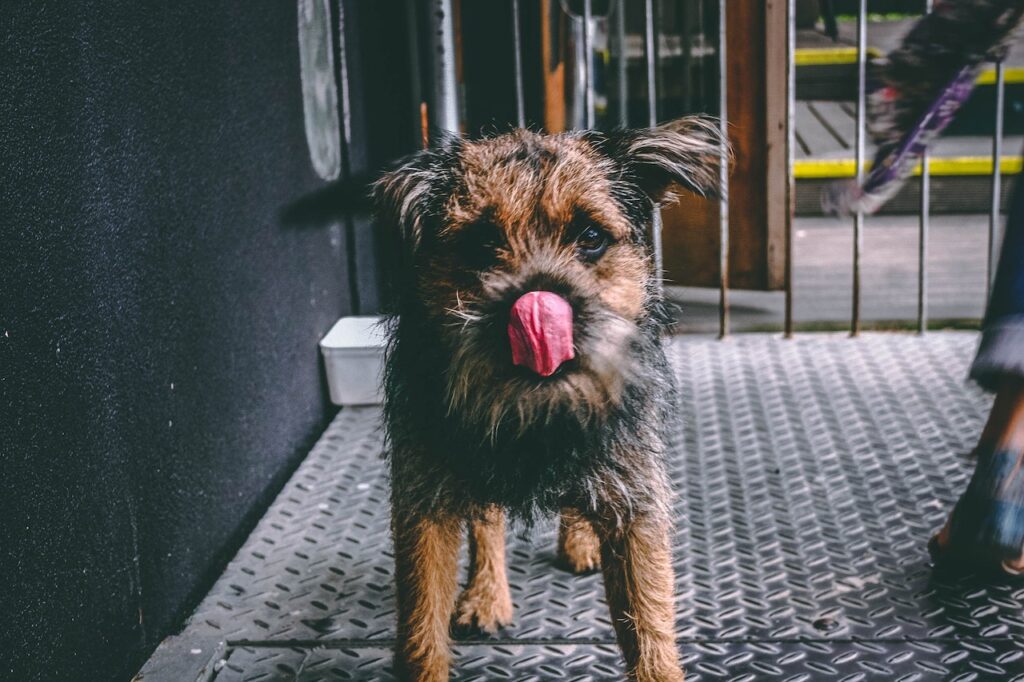
A small brown and black dog with its tongue out stands on a metal floor, next to a black wall and wooden gate.

Why Do Dogs Lick The Air? Unraveling the Mysteries of Canine Behavior

Hello, dog enthusiasts! Today, let’s unpack a rather peculiar, sometimes baffling dog behavior – air licking. You might have noticed your four-legged companion suddenly licking the air, as if catching invisible butterflies. Why do they do this, and what can we deduce from such a quirky behavior? Buckle up as we venture on this explorative journey through the world of canine gestures and communications. A Curious Observation: The Phenomenon of Air Licking Picture this: you are lounging with your faithful furry friend when suddenly, their tongue starts making swift motions, seemingly licking the invisible entities floating in the air. The Initial Bewilderment Could this be a masterpiece of canine performance art, or is there more than meets the eye? Setting the Scene for Investigation But, is it just a frivolous act, or does it hold a deeper significance in the realm of dog behavior? Unearthing the Probable Causes A journey into the why behind the air licking phenomenon unveils several potential reasons. Let’s dissect them one by one. A Sensory Feast Could this be a fine example of their culinary exploration, a gastronomic adventure in the comfort of their home? Communicative Gestures Is it possible that they are weaving a tapestry of messages through the rhythmic dance of their tongues? Health Concerns: When to Ring the Alarm Bells While it’s often harmless, sometimes, this air licking can be indicative of underlying health issues. It’s essential to keep an eye out for potential red flags. Dental Issues Does this mean that a vigilant eye could be the first line of defense in safeguarding your dog’s health? Gastrointestinal Problems Are we then, sometimes witnessing silent cries for help, veiled under the guise of this quirky behavior? Navigating the Behavioral Aspects Understanding the behavioral context is crucial in decoding the air licking mystery. Here, we unravel the behavioral tapestry woven by our canine friends. Compulsive Behavior Could this be a sign that our dogs are painting their canvas of communication with strokes of repetitive actions? Calming Mechanism Is it plausible that they are crafting their sanctuary of peace, one lick at a time? The Road Ahead: Addressing the Air Licking Behavior So, how do we address this behavior and ensure the well-being of our beloved pets? Here’s a road map to guide you: Observation and Understanding Isn’t it true that sometimes, the solutions lie in the quiet observations of their silent conversations? Consulting the Experts Could it be that expert intervention is sometimes the bridge to their happiness, helping them paint a brighter, healthier picture of life? Conclusion: The Symphony of Canine Communication In conclusion, our journey through the air-licking maze reveals a symphony of communications, nuanced and varied, yet profoundly significant. The language of dogs is intricate, laden with messages conveyed through seemingly simple gestures. Key Takeaway Understanding the air licking behavior in dogs unravels layers of communication, health indicators, and behavioral aspects that are woven intricately in their daily life. It’s a dance of tongues, a silent symphony of messages that speak volumes about their experiences, emotions, and well-being. As dog lovers, diving deep into this language can open up new horizons of understanding and bonding, helping us forge connections that are both profound and joyous. So, are you ready to become a fluent speaker in the silent, expressive language of dogs, decoding messages, one air lick at a time?

Why Do Dogs Lick The Air? Unraveling the Mysteries of Canine Behavior Read More »

A couple relaxes on a couch while a dog licks the woman's face; the man smiles and partially hides behind a book.

Unveiling the Canine Mystery: The Excessive Licking Phenomenon

Hello, fellow dog aficionados! Have you ever found yourself buried under the enthusiastic licks of your furry best friend, wondering what’s the motive behind this shower of affection? Let’s delve deep into the canine psyche to unravel this heartwarming, yet sometimes perplexing, behavior. The Natural Instinct: From Pups to Adults A Maternal Gesture The first whispers of life in the dog world are accompanied by the gentle licks of a mother. These are not just strokes of affection, but integral to the puppy’s survival. Wouldn’t you agree that it’s a form of communication that begins in the cradle? Growing Into Adulthood As they grow, this behavior mutates, embodying different shades of meaning. It metamorphoses from a maternal gesture to a multifaceted communication tool. Doesn’t it seem like this simple gesture carries a world of meaning within it? The Language of Licks: Decoding the Messages A Sign of Affection At the heart of this behavior is a profound affection and attachment that your dog feels for you. Could this be their way of saying, “I love you”? Seeking Attention Sometimes, these licks are a tap on your shoulder, an attempt to capture your attention and to engage with them. Do you sometimes feel it’s their way of nudging you to take a break and enjoy the little joys of life? The Underlying Science: A Dive into Canine Biology The Role of Taste Buds What drives them to lick so fervently? The answers lie partly in their biology. Doesn’t this make you wonder about the myriad flavors they discover through this simple act? Release of Pleasure Hormones Believe it or not, licking can be a source of pleasure for dogs due to the release of endorphins, the happiness hormones. Could this be their secret recipe for happiness, a lick and a wag at a time? Licking as a Health Indicator Spotting Health Issues Sometimes, the licking goes beyond affection and becomes a sign of underlying health issues. Isn’t it incredible how they communicate their health status through such subtle cues? Guiding the Licking Behavior Setting Boundaries While the licks are sweet, sometimes they can become a bit too much. It becomes essential to guide this behavior to ensure a healthy interaction. Don’t you think it’s a small step towards nurturing a harmonious bond? Encouraging Positive Behavior To encourage a positive licking behavior, it’s vital to respond appropriately to their cues. Wouldn’t you agree that it’s about creating a conversation based on understanding and affection? Conclusion: Embracing the Love, One Lick at a Time As we untangle the enigma behind the fervent licks, we discover a world rich in emotions, communication, and biology interwoven in a beautiful dance. A Symphony of Affection Key Takeaway Dive deep into the world of your canine companion, where each lick is a sentence in a language brimming with love, respect, and camaraderie. It’s a conversation that nurtures a relationship that’s pure, trusting, and profoundly joyful. So the next time you find yourself at the receiving end of a licking spree, remember, it’s just your dog’s way of showering you with affection, respect, and a sprinkle of curiosity. Ready to embrace this love, one lick at a time? I hope this conversation brings a new dimension to your understanding of your dog’s licking behavior, painting it with hues of love, respect, and a deep bond that transcends words. So, are you ready to dive deep into this linguistic journey, understanding and cherishing each affectionate lick?

Unveiling the Canine Mystery: The Excessive Licking Phenomenon Read More »

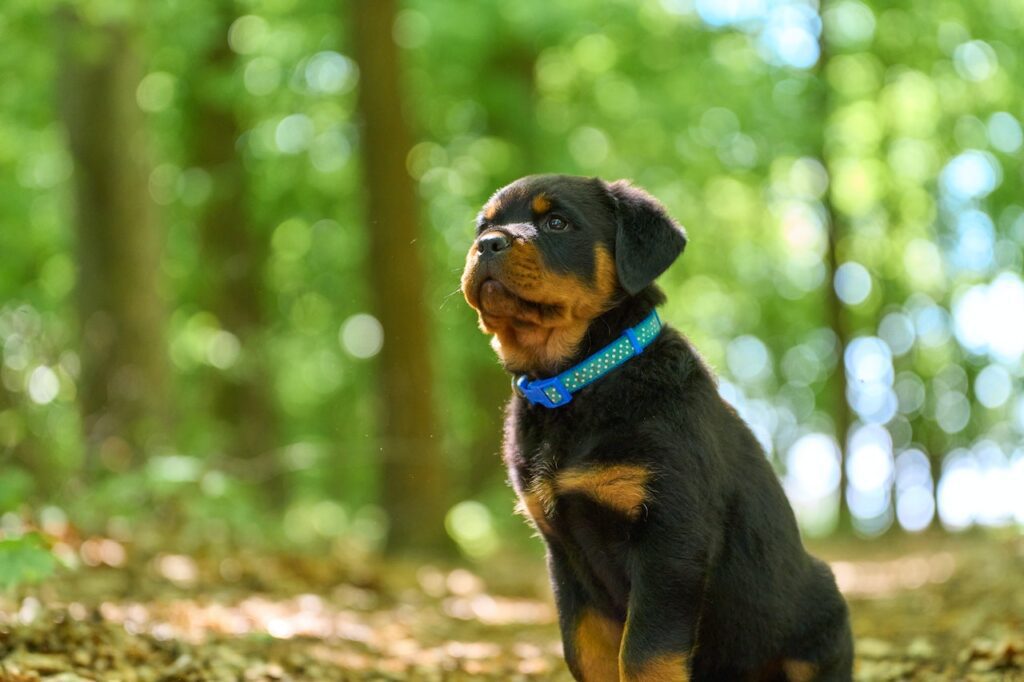
A Rottweiler puppy with a blue collar sits on a woodland path with sunlight filtering through the trees.

Understanding the Joyous Growls of Rottweilers

You might have noticed your Rottweiler offering you a peculiar sound that seems to oscillate between a rumble and a growl when they are seemingly happy. It’s an idiosyncrasy that seems to baffle many a dog lover. Are they really growling in the terrifying sense of the word? What if I told you that this sound, which somewhat resembles growling, is often just another way for these gentle giants to express their joy and affection? Let’s unravel the mystery behind these joyous growls, so you can become fluent in the language of Rottweilers. Rottweilers: The Vocal Communicators Understanding Their Unique Language Rottweilers are known for their deep and varied vocalizations. Isn’t it fascinating that these sounds can range from joyful growls to affectionate whines? Have you ever caught yourself smiling when you heard that delightful ‘Rottie Rumble’? Distinguishing Between Growls To understand what their vocalizations truly mean, we have to put on our detective hats and look for clues in their body language. Isn’t it like learning a new language, where every sound and gesture carries a unique message? The Roots of the Growling Behavior We often seek the roots of behavior deep within the ancestry of a breed. Could this growling habit be a relic of their past as working dogs? Historical Background Could their history be whispering through their contemporary behaviors, narrating tales of teamwork and camaraderie? Physiological Aspects Behind The Growls It’s not just their history; their physiology too plays a pivotal role in their vocalizations. But what exactly happens physiologically when a Rottweiler growls in happiness? Physical Attributes Doesn’t it sound like a well-tuned musical instrument, capable of playing a symphony of emotions? Growling as a Form of Bonding This unique form of vocalization isn’t just a personal quirk; it serves to strengthen bonds and foster companionship. Strengthening Bonds Wouldn’t you agree that these sounds turn into sweet serenades over time, echoing the love and understanding between you and your furry friend? Training and Socialization Impact on Growling Training and socialization also play a substantial role in shaping a Rottweiler’s vocal behavior. How can we guide them to express themselves in a way that fosters harmony and understanding? Impact of Training Don’t we, as pet parents, have a role to play in sculpting the melodious communication symphony? Understanding and Responding to Growls Understanding is a two-way street. As much as we try to understand them, it is essential that our responses align with their emotional states. Responding Wisely Isn’t it akin to a beautiful dialogue, where both parties understand and appreciate each other’s perspectives? Addressing Concerns Around Growling Despite the joyous undertones, sometimes, these growls can become a cause of concern. How can we address these issues effectively? Possible Concerns Can we consider these growls as an invitation to delve deeper into their rich emotional world? Conclusion: Embracing the Joyous Growls As we wrap up our exploratory journey, we find ourselves not just with information but with a newfound appreciation for the rich tapestry of vocalizations that Rottweilers bring into our lives. An Affectionate Symphony Key Takeaway Understanding the joyful growls of Rottweilers allows us to foster a deeper connection, nurturing a bond that is both loving and understanding. It’s akin to mastering a new language, a language that sings songs of joy, love, and deep bonding. So, the next time your Rottweiler offers you a happy growl, respond with a loving gesture, appreciating this unique and affectionate method of communication, won’t you? What do you think? Ready to embrace the vibrant and expressive world of Rottweilers with a wider smile and an open heart?

Understanding the Joyous Growls of Rottweilers Read More »