Taking Care of Your Dog’s Teeth
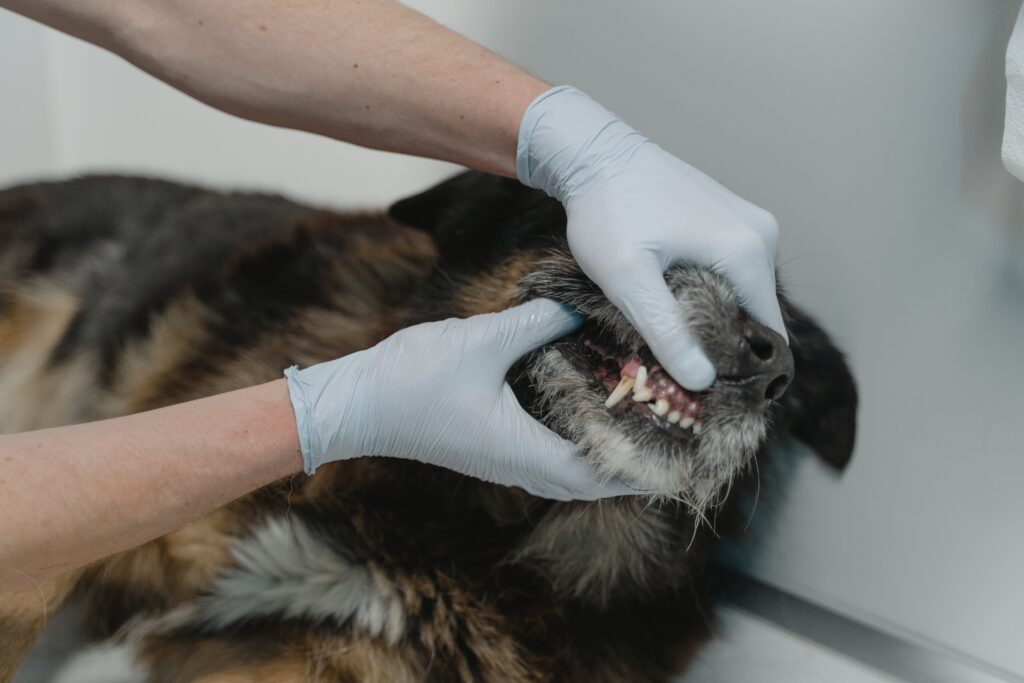
Proper dental care is essential for your dog’s overall health and well-being. Neglecting your dog’s teeth can lead to various dental problems and even affect their overall health. In this blog post, we will discuss some important tips for taking care of your dog’s teeth. Regular Brushing Regular brushing is essential for maintaining your dog’s dental health. By incorporating regular brushing into your dog’s routine, you can prevent various dental issues such as plaque buildup, tartar, bad breath, and gum disease. Here are some tips to help you establish a regular brushing routine for your dog. Brush your dog’s teeth regularly using a dog-specific toothbrush and toothpaste. It is important to use a toothbrush and toothpaste specifically designed for dogs. Human toothpaste can be harmful to dogs as it contains ingredients that are toxic to them. Dog toothbrushes are usually smaller and have softer bristles that are gentle on your dog’s gums and teeth. When introducing brushing to your dog, start by getting them comfortable with the toothbrush. Allow them to sniff and lick it so they can become familiar with the object. Gradually, start brushing their teeth for short durations, ensuring you reach all areas of their mouth. Start slowly and gradually increase the duration of brushing sessions. At the beginning, your dog may resist or become nervous during brushing sessions. It’s important to be patient and make it a gradual process. Start with short brushing sessions, around 30 seconds to a minute, and gradually increase the time as your dog becomes more comfortable. You can also incorporate playtime or a favorite activity into brushing sessions to distract and relax your dog. This will make the experience more enjoyable for them and help build a positive association with brushing. Make it a positive experience by rewarding your dog with treats or praise. Positive reinforcement is a great way to encourage your dog to accept brushing. After each successful brushing session, reward your dog with praise, treats, or a favorite toy. This will create a positive association with brushing and motivate your dog to cooperate during future sessions. Remember to be patient and consistent with your dog’s brushing routine. Aim to brush their teeth at least two to three times a week. Regular brushing, combined with professional dental cleanings as recommended by your veterinarian, will help ensure your dog’s oral health and overall well-being. Provide Dental Chews and Toys In addition to regular brushing, providing your dog with dental chews and toys is an excellent way to promote their dental health. These specially designed chews and toys help remove plaque and tartar buildup, keeping your dog’s teeth clean and healthy. Here are some tips for choosing the right dental chews and toys for your furry friend. 1. Choose the Right Products When selecting dental chews and toys for your dog, it’s crucial to choose products that are safe and appropriate for their size and chewing habits. Look for chews and toys that are specifically marketed for dental care and have positive reviews. Make sure to read the product labels and choose ones that are made from safe and durable materials. 2. Consider Your Dog’s Size and Chewing Strength Every dog is unique, and their dental needs may vary depending on their size and chewing strength. If you have a small dog, opt for smaller-sized chews and toys that they can comfortably handle. On the other hand, if you have a larger dog or a powerful chewer, choose larger and more robust options that can withstand their chewing habits. 3. Look for Dental Benefits Not all dental chews and toys are created equal. Some are simply designed for entertainment, while others have specific dental benefits. Look for products that are scientifically proven to help remove plaque and tartar. These may have special grooves, textures, or ingredients that contribute to better dental hygiene. The packaging or product description should clearly state the dental benefits. 4. Prioritize Safety Safety should be your top priority when selecting dental chews and toys for your dog. Avoid products with small parts that could be a choking hazard. Additionally, be wary of chews that are extremely hard or brittle as they can potentially damage your dog’s teeth. If you’re unsure about a particular product, consult with your veterinarian for guidance. 5. Rotate the Chews and Toys While dental chews and toys are great for your dog’s oral health, they should not be the only method of dental care. To ensure your dog receives balanced oral hygiene, it’s important to rotate different types of chews and toys. This will keep your dog engaged and prevent boredom. Consider having a variety of textures, shapes, and sizes to cater to your dog’s preferences. 6. Supervise Chewing Sessions Always supervise your dog during chewing sessions, especially with new chews or toys. This allows you to monitor their behavior, ensure they’re using the product correctly, and intervene if necessary. If you notice any signs of discomfort, stop the chewing session immediately and inspect the chew or toy for any damages. In conclusion, providing dental chews and toys is an effective way to improve your dog’s oral health. By choosing the right products, considering your dog’s size and chewing habits, prioritizing safety, and rotating the chews and toys, you can help maintain your dog’s dental hygiene between brushing sessions. Remember to always consult with your veterinarian for personalized recommendations and advice. Regular Vet Check-ups Regular check-ups with your veterinarian are essential to ensure the overall health and well-being of your pet. When it comes to dental health, these check-ups become even more important. Dental issues can often go unnoticed and lead to serious health problems if left untreated. By scheduling regular dental check-ups, you can prevent potential problems and keep your pet’s teeth in top condition. Schedule regular dental check-ups with your veterinarian The first step in maintaining good dental health for your pet is to schedule regular dental check-ups with your veterinarian. Just like humans, animals also require professional dental care
Taking Care of Your Dog’s Teeth Read More »